CPAP Alternatives in Dennis: Oral Appliances, Positional Therapy, and More
Breathe Easier This Summer Without CPAP
Sleep apnea and loud snoring do not take a vacation, even when life on Cape Cod gets busier and more relaxed at the same time. When you are sharing a small guest room, staying on a boat, or heading off Cape for a quick trip, a CPAP mask and hose can feel like one more thing getting in the way of good sleep.
Many people in Dennis and across the Mid-Cape tell us they are tired of dealing with CPAP problems. Common complaints include mask discomfort, air leaks, noise, dry mouth, travel hassles, and trouble staying consistent every single night. If that sounds familiar, you might be wondering if there is a safer, easier CPAP alternative in Dennis that still treats your sleep apnea.
In this article, we will compare four non-CPAP options: custom oral appliances, positional therapy, weight loss, and ENT (ear, nose, and throat) treatments. We will look at how each one works, who it tends to help most, and how you can start to figure out which path might fit your life and your sleep study results.
How Oral Appliances Work for Sleep Apnea and Snoring
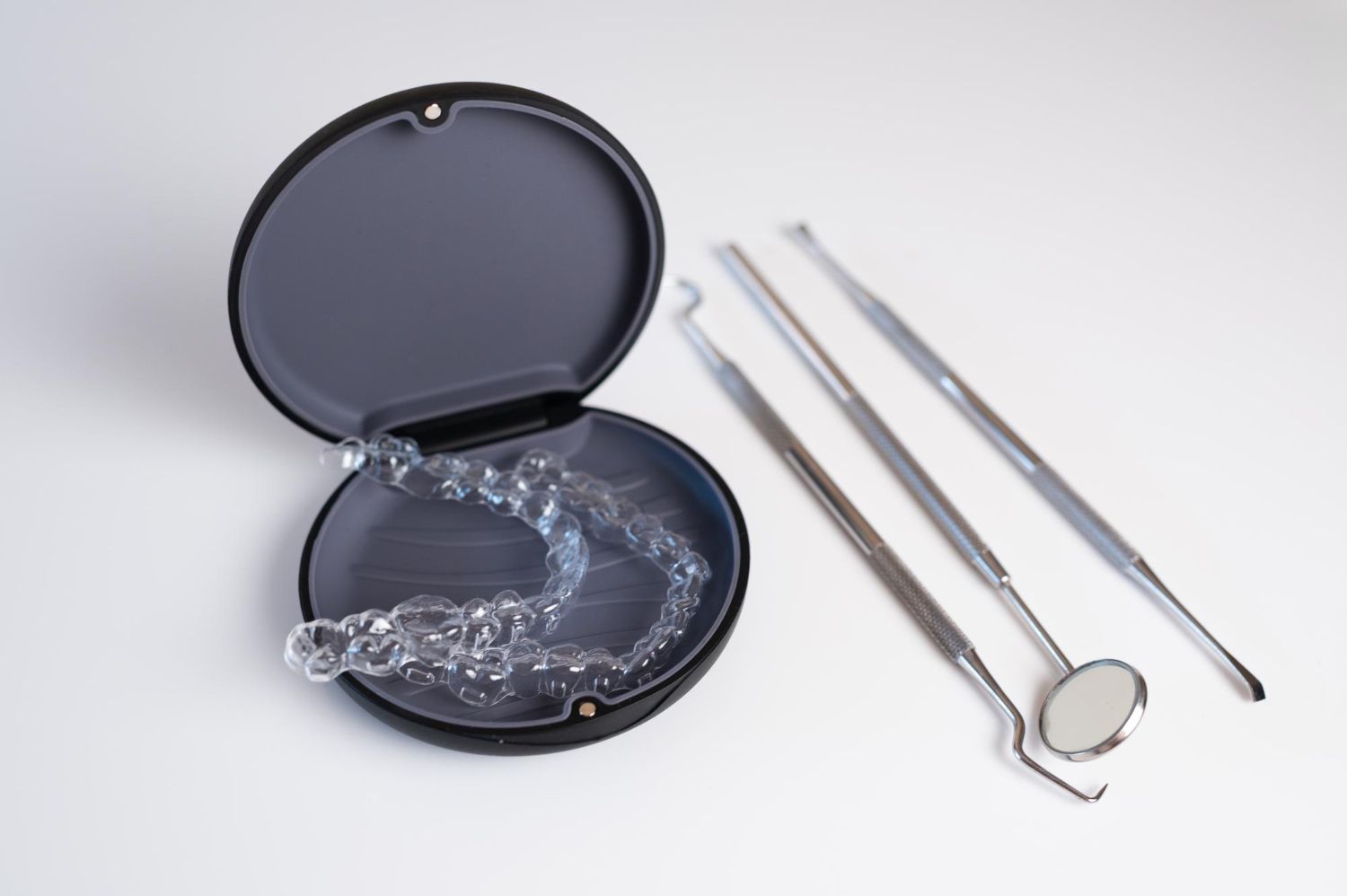
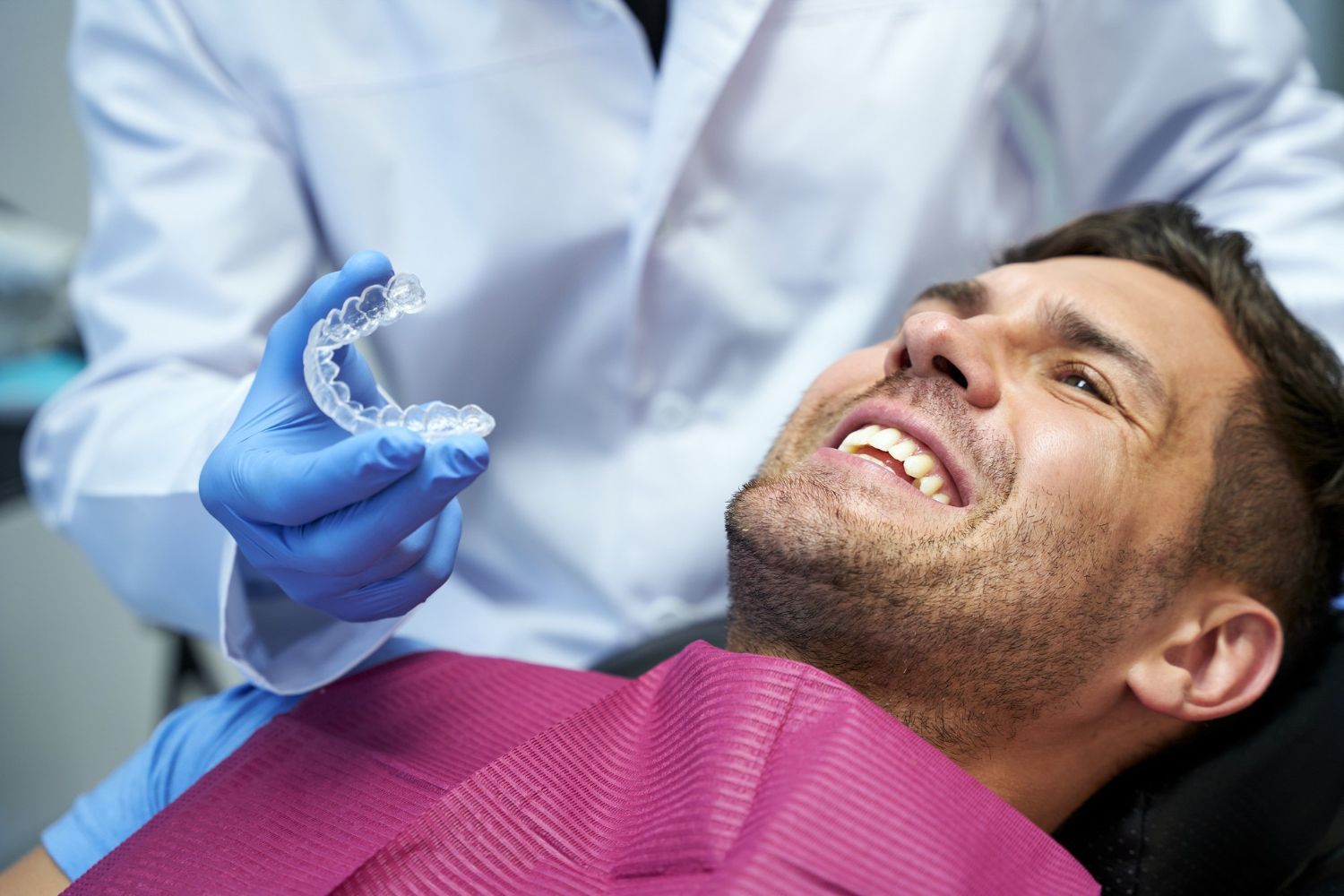
A custom oral appliance is a small device that fits over your teeth, similar to a mouthguard or orthodontic retainer. It is made to match your bite and gently holds your lower jaw a bit forward while you sleep. By moving the jaw forward, it helps keep your tongue and soft tissues from collapsing back into the throat, which keeps the airway more open.
This kind of device is used for obstructive sleep apnea and chronic snoring. It does not add air pressure like CPAP. Instead, it works with your natural anatomy to make breathing easier during the night.
People who often benefit most from a custom oral appliance include:
- Those with mild to moderate obstructive sleep apnea
- Loud snorers whose bed partners are affected
- People who have tried CPAP but cannot get comfortable with it
- Frequent travelers who want something small and easy to pack
- People who sleep on boats, in RVs, or in tight Cape summer bedrooms
For many, the lifestyle advantages stand out right away:
- Quiet, so there is no machine noise or hose sounds
- No electricity, tubing, or distilled water
- Simple to carry in a small case for weekend trips
- Less disruptive for a bed partner who is a light sleeper
When an oral appliance is custom-made and followed by a trained provider in dental sleep medicine, it can be part of a team approach with your sleep physician. That means your treatment is monitored and adjusted over time, so it fits both your mouth and your medical needs.
Comparing Oral Appliances to CPAP in Real Life
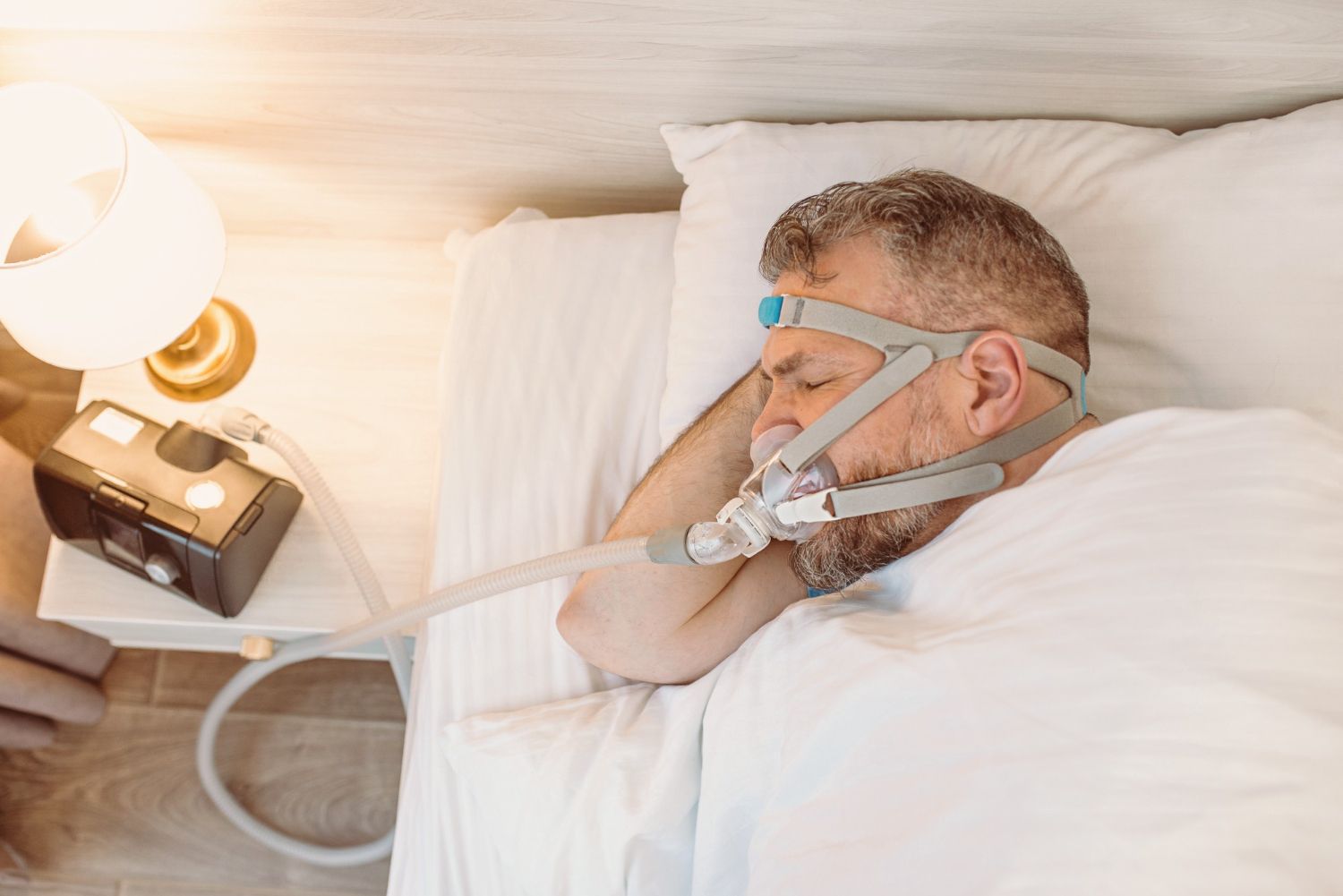
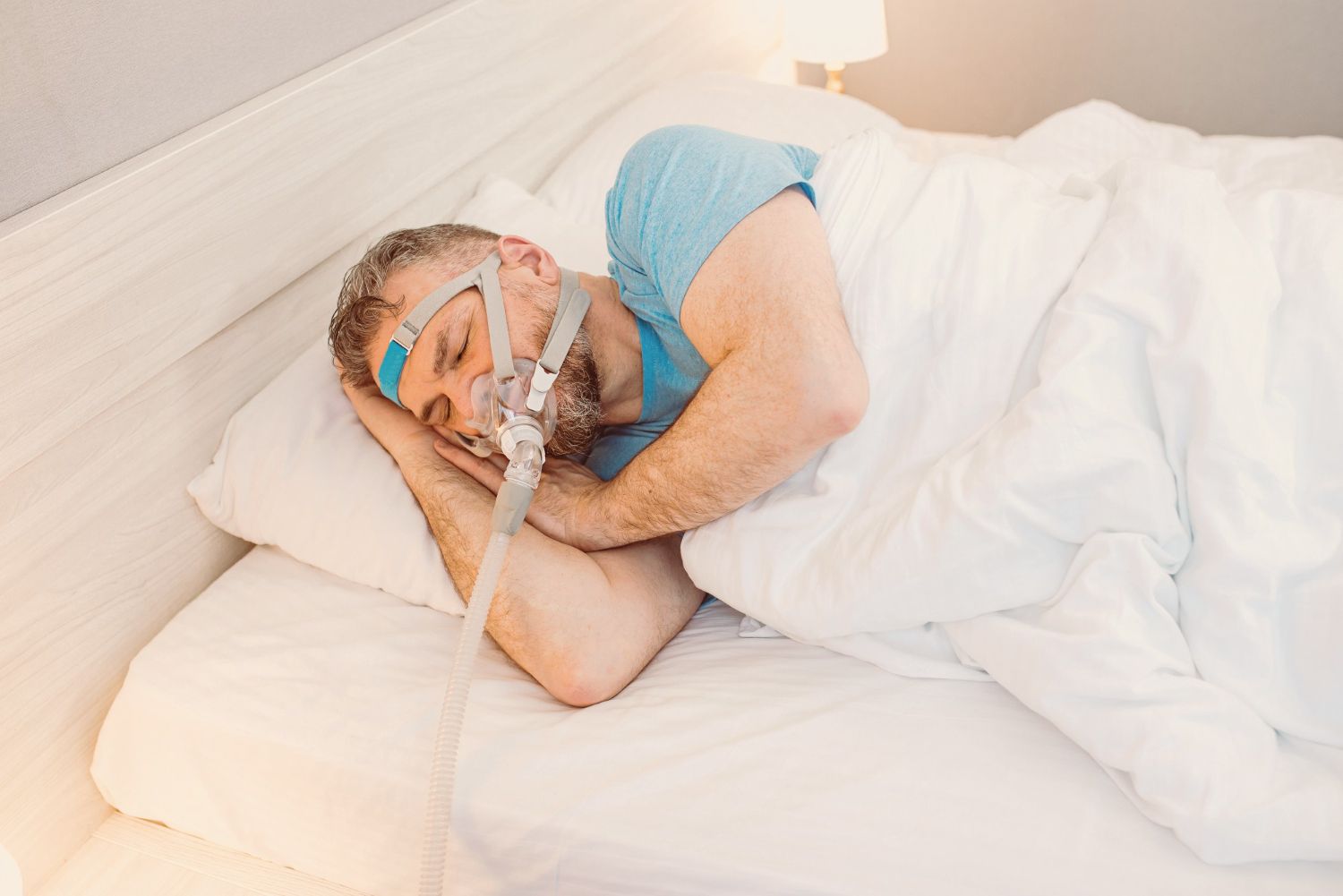
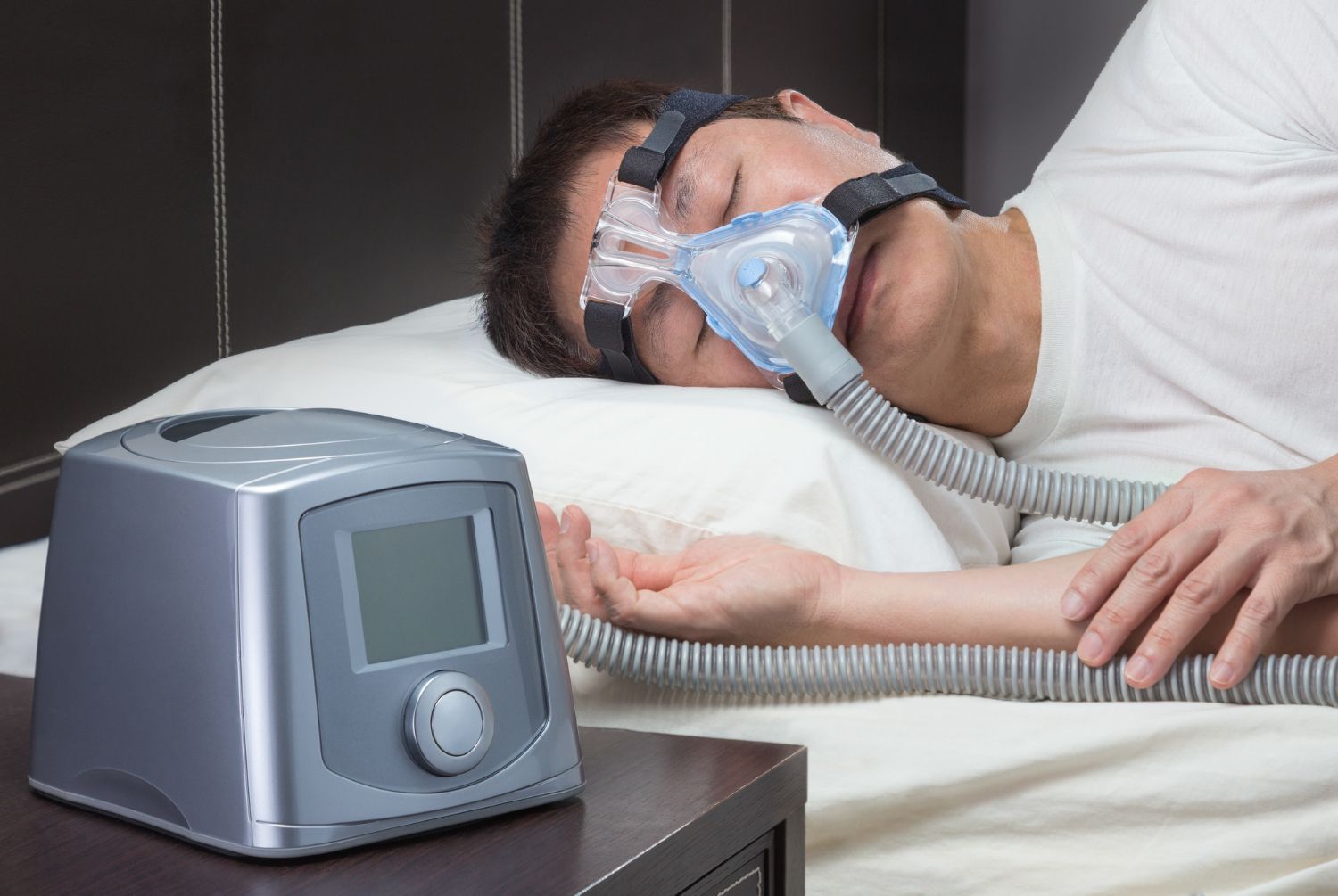
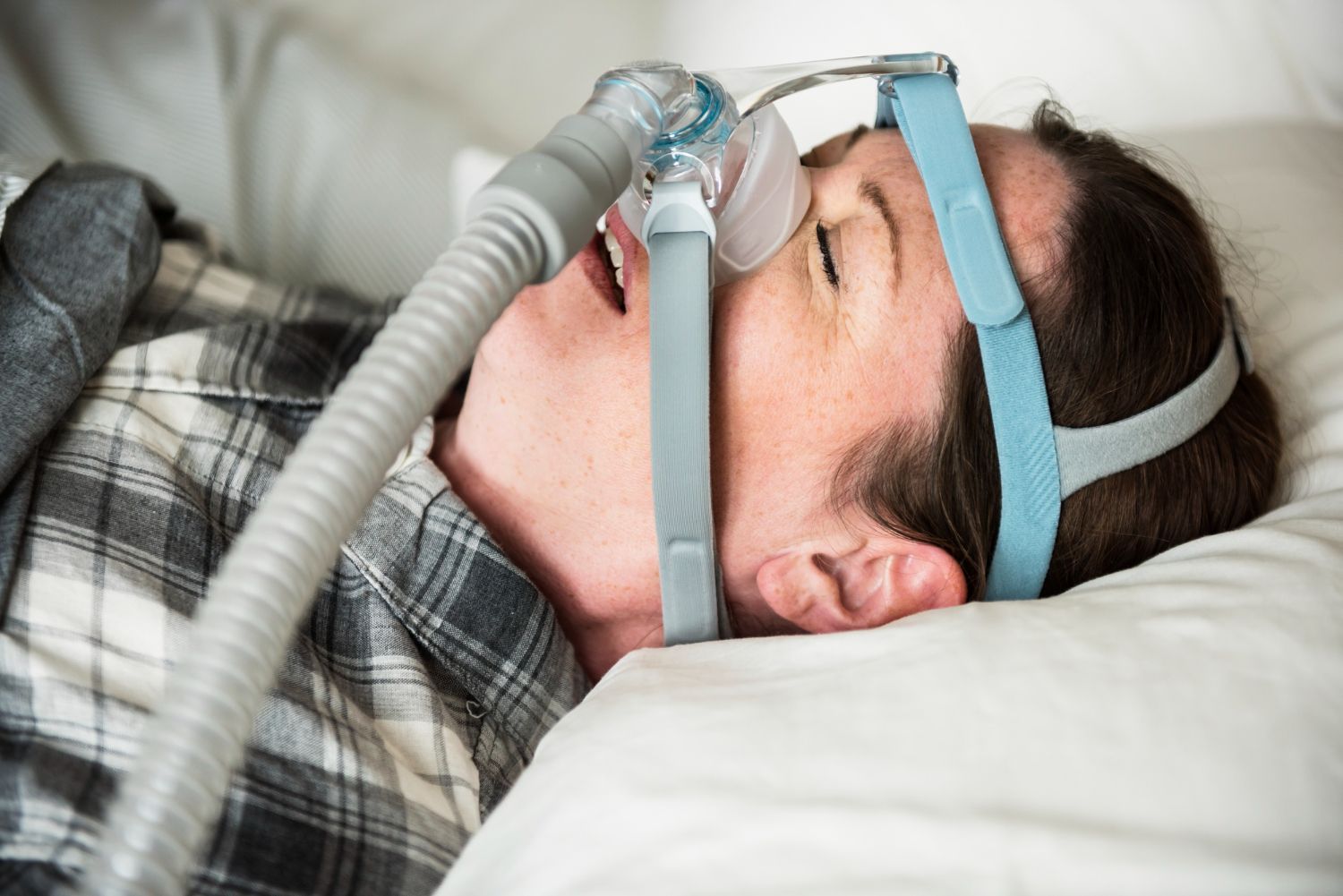
CPAP works by sending a steady stream of pressurized air through a mask into your nose, mouth, or both. The air pressure helps keep the airway from collapsing. For many people with moderate to severe sleep apnea, this is still the first treatment recommended by their sleep physician.
At the same time, a lot of people struggle with CPAP in daily life. Common challenges include:
- Mask discomfort or straps that leave marks
- Air leaks that blow into the eyes or wake a bed partner
- Dry mouth or sinus irritation
- Packing the machine and supplies for travel
- Finding a good setup in hot, humid rooms or tight spaces
Summer can make those issues feel even bigger. When you are traveling to the Islands, heading up to Boston for a night, or staying at a family house on the Cape, hauling a CPAP machine, hose, and water can feel like a chore.
A CPAP alternative in Dennis, like a custom oral appliance, can be easier to live with in situations such as:
- Short trips where you only bring a small overnight bag
- Sleeping in guest rooms with limited outlets
- Sharing space with kids, grandkids, or other visitors
- Sleeping on a boat where power may be limited
On a sleep lab test, CPAP often shows a stronger reduction in apnea events, especially for more severe apnea. But long-term success is not just about the lab report; it is about what you can realistically use every night. Many people find that because an oral appliance is more comfortable and less disruptive, they actually use it more consistently, which can lead to better real-world results for them.
When Positional Therapy and Weight Loss Help Most
Not all sleep apnea looks the same. Some people mainly have events when they sleep on their backs, and do much better when they stay on their sides. This is called positional sleep apnea. A sleep study or home sleep test can show if your events are mostly happening in the supine, or on-the-back, position.
Positional therapy tries to keep you from rolling onto your back. Options might include:
- Special vests or shirts that make back sleeping uncomfortable
- Vibration devices that gently buzz when you roll onto your back
- Wedge pillows that raise your upper body
- Other devices that support side sleeping
Positional therapy usually fits best if:
- You have mild positional sleep apnea
- Most of your events happen only when on your back
- You are younger or more active and can adapt to new sleep positions
- You want a noninvasive option and are willing to work on your habits
Weight loss can also play a role. Extra weight around the neck and upper body can narrow the airway and increase the chance of collapse during sleep. Losing even a modest amount of weight can sometimes:
- Reduce pressure on the airway
- Lessen snoring volume
- Lower the severity of apnea events
Still, weight loss alone is not a full treatment for most people with diagnosed sleep apnea. It usually works best as part of a plan that also includes a primary therapy like an oral appliance, CPAP, or positional therapy, especially while you are still working on your goals.
ENT Options for Structural Airway Problems
Sometimes the main problem is the structure of the nose or throat. If you have chronic nasal congestion, a badly deviated septum, large tonsils, or other noticeable blockage, any type of sleep apnea treatment can be harder to tolerate.
In those cases, your sleep physician or dental sleep provider may suggest an evaluation with an ENT specialist. An ENT can look closely at your nasal passages, soft palate, tonsils, tongue, and throat to see if there are obvious physical issues making your airway smaller.
Common ENT approaches can include:
- Nasal surgery to open narrow passages
- Turbinate reduction to improve airflow through the nose
- Tonsil or adenoid removal in people with enlarged tissue
- More advanced airway surgeries or nerve stimulation in select patients
ENT-based options tend to help most when:
- You have clear anatomic blockage, like large tonsils or a severe septal bend
- Your snoring seems to come from the nose or throat structures
- You struggle with CPAP or oral appliances mainly because you cannot breathe well through your nose
In many cases, ENT care does not replace other treatments but makes them more comfortable and more effective.
Choosing the Right CPAP Alternative in Dennis
With so many choices, it can feel confusing to know which CPAP alternative in Dennis is right for you. The best place to start is with your sleep study results and a clear sense of your lifestyle.
Things to consider include:
- How severe your sleep apnea is
- Whether your events are positional or happen in all positions
- How often you travel and where you typically sleep
- Whether you share a bedroom or have light sleepers nearby
- Any nasal or sinus problems that make breathing harder
The safest approach is a team effort. Sleep physicians, dentists trained in sleep medicine, and ENT specialists each see a different part of the picture. Working together, they can help you compare options like oral appliances, positional tools, CPAP, weight loss support, and ENT treatments, instead of guessing or trying random over-the-counter gadgets.
At Cape Cod Sleep Solutions in South Dennis, we focus on custom oral appliance therapy as one piece of that bigger plan. We review your history, look at your previous sleep study, and coordinate with your medical providers to see if an oral appliance, alone or combined with other tools, is an appropriate next step for you. That way your treatment can fit both your health needs and your everyday life on and off the Cape.
Start Sleeping Comfortably Without CPAP Today
If you are ready to explore a customized, noninvasive solution to your sleep apnea, we invite you to discover our CPAP alternative in Dennis. At Cape Cod Sleep Solutions, we take the time to understand your medical history, sleep concerns, and lifestyle so we can recommend the most effective treatment for you. Schedule a consultation today or contact us with any questions about how we can help you breathe easier and sleep better.