Common Dental Sleep Medicine Questions near Dennis Answered
Sleep Better Near Dennis with Trusted Dental Solutions
Snoring, restless nights, and feeling worn out during the day are not just annoyances. They can be signs that your airway is getting blocked while you sleep. That can affect your mood, focus, and long-term health. The good news is that help does not always mean a mask and hose.
Dental sleep medicine focuses on simple, custom mouthpieces that help keep your airway open while you sleep. These small devices can be a comfortable option for people with snoring or obstructive sleep apnea who cannot get used to CPAP. If you live near Dennis or anywhere on Cape Cod, you have access to this type of care close to home.
Unlike general dentistry, which focuses on teeth and gums, dental sleep medicine looks at how your jaw, tongue, and airway work together while you sleep. Unlike traditional sleep medicine, which often centers on CPAP, it offers a low-profile, quiet option that fits in the palm of your hand. Many people like that oral appliances are:
- Custom-made for their bite
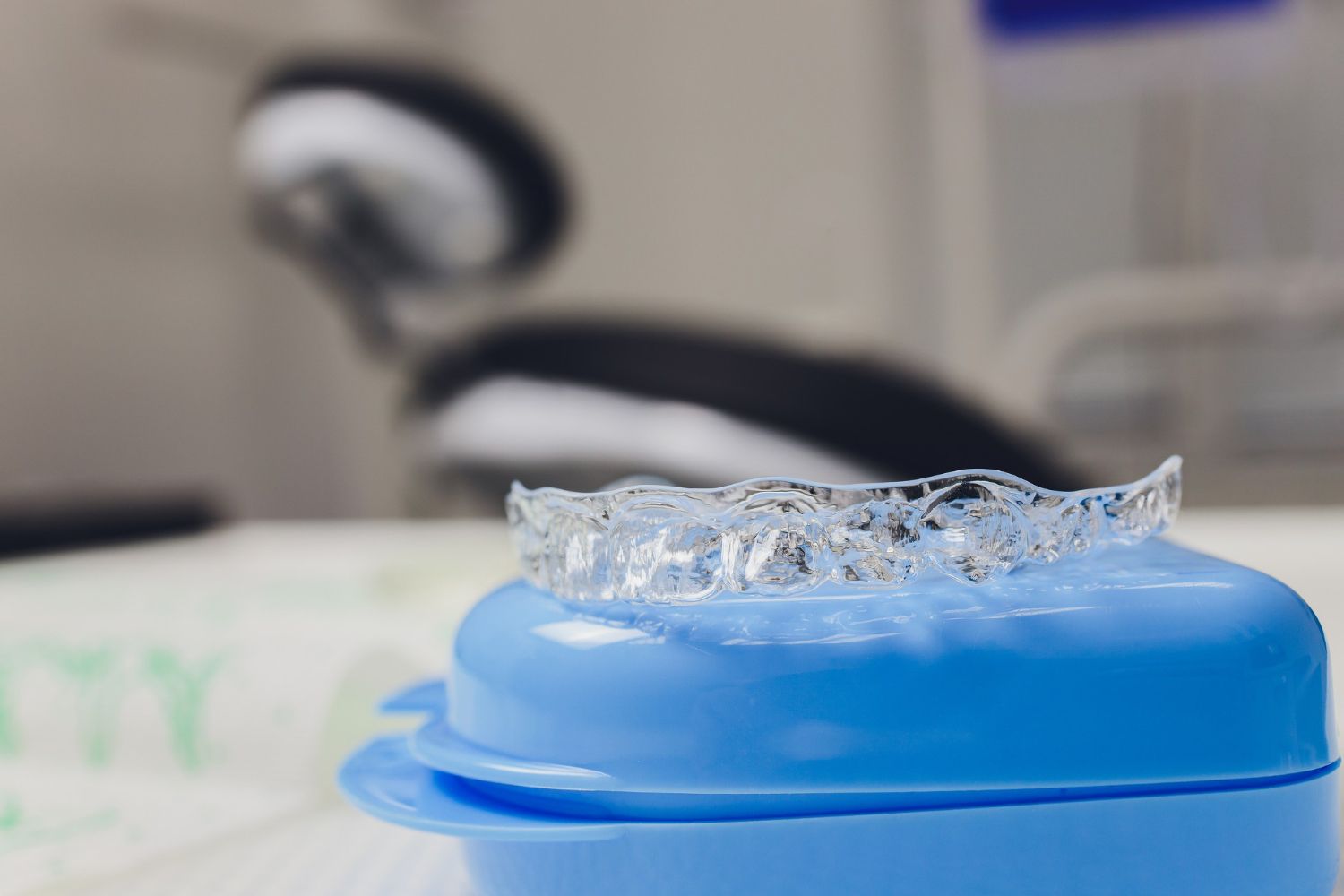
- Easy to pack in a small case
- Simple to clean and care for
- Quiet, with no motor, mask, or tubing
Near Dennis, more people are learning that snoring and sleep apnea do not always need large machines by the bed. Dental sleep medicine gives you one more way to work on better sleep in a comfortable, practical way.
What Is Dental Sleep Medicine, and How Can It Help You?
Dental sleep medicine is a branch of care where trained dentists work with sleep physicians to help treat snoring and obstructive sleep apnea. A sleep physician usually confirms your diagnosis with a sleep study, either in a lab or with a home test. Once you have that diagnosis, a dental sleep medicine provider can design an oral appliance to support your treatment plan.
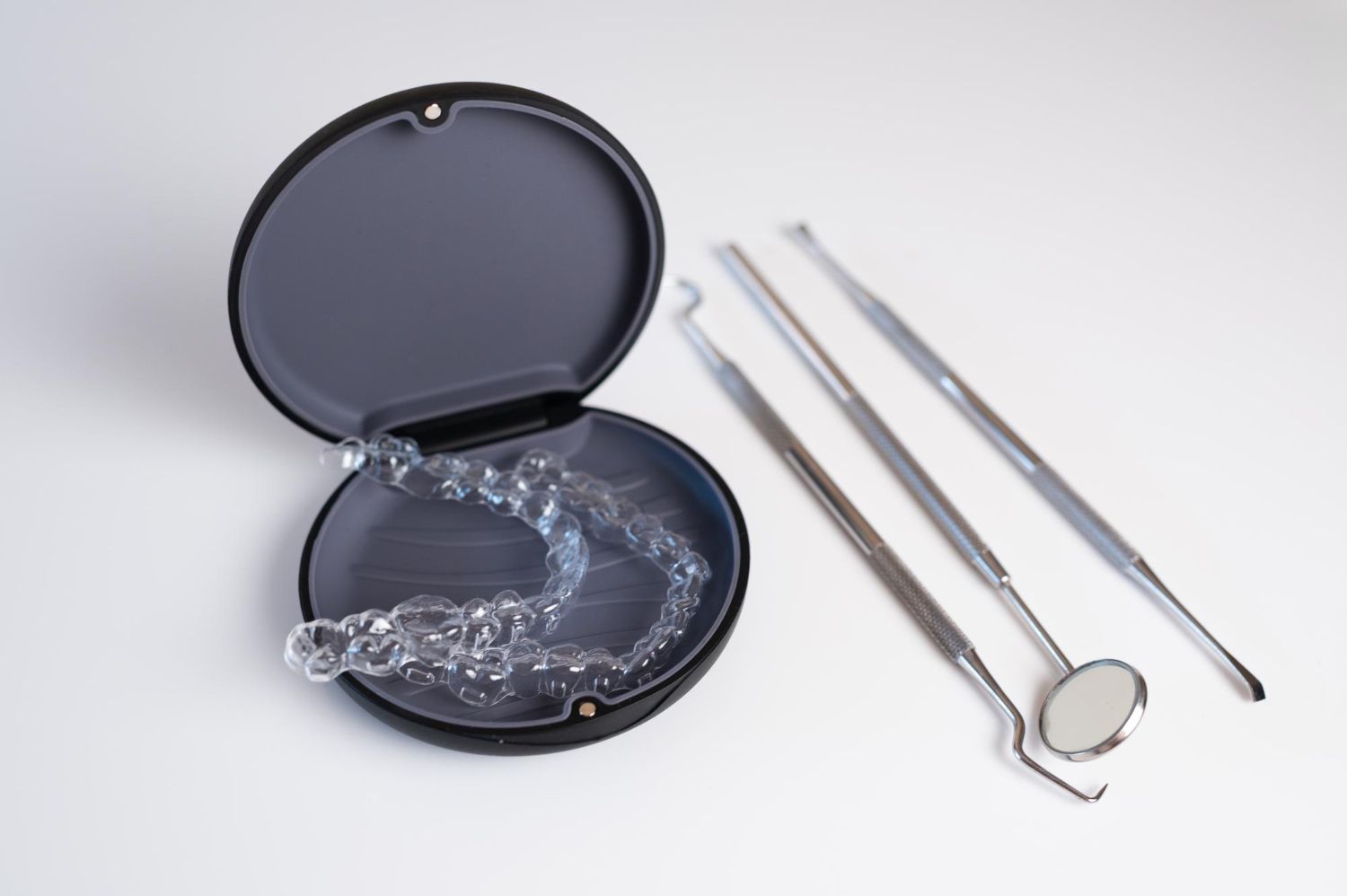
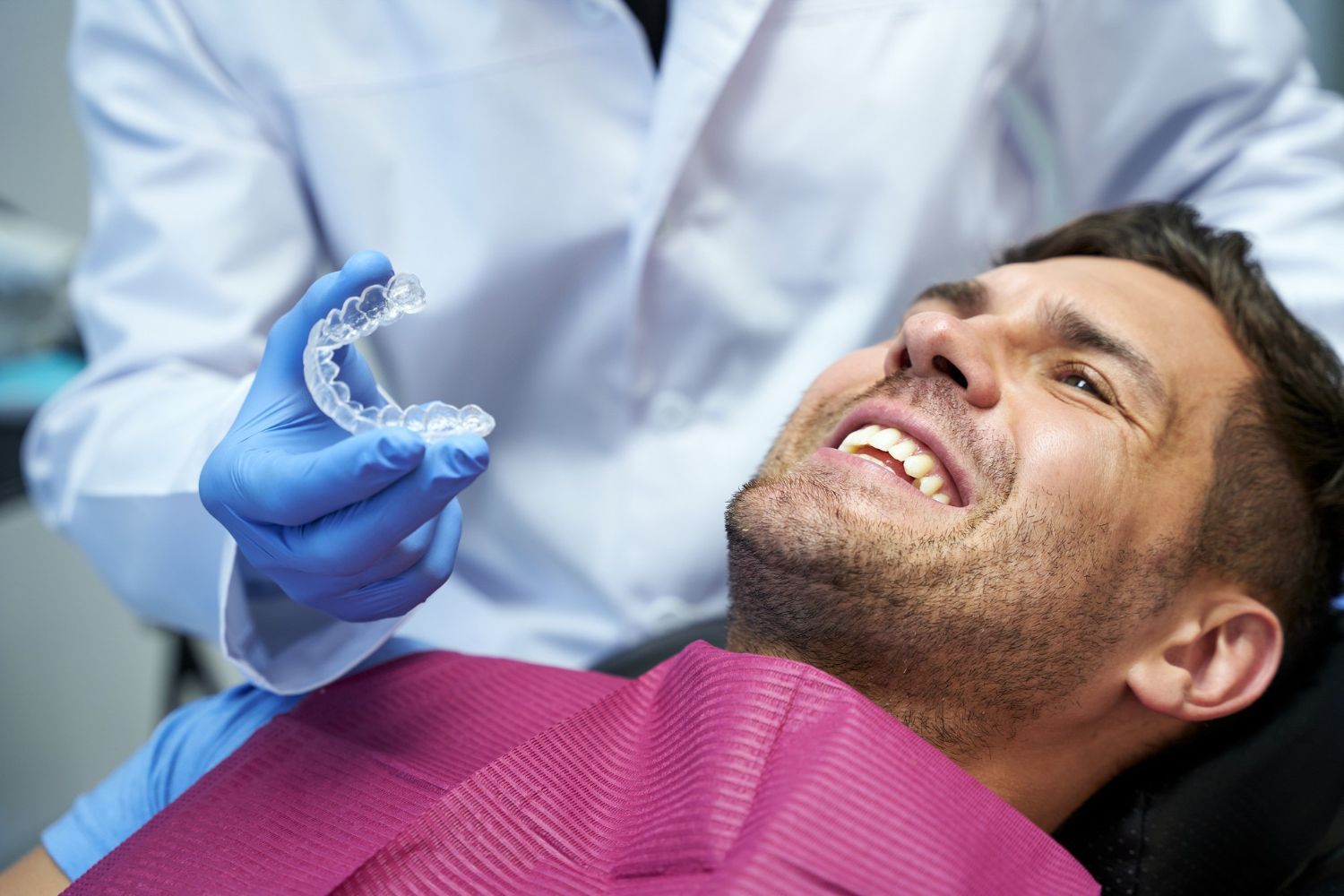
These oral appliances are small, FDA-approved devices that fit over your teeth, a bit like a retainer or mouthguard. They gently guide your lower jaw slightly forward. This change helps:
- Keep the tongue from falling back
- Open the space behind the tongue
- Reduce the chance of the airway collapsing during sleep
When the airway stays more open, breathing can be steadier and quieter. That can lead to fewer awakenings and less snoring.
Oral appliances are often a good fit for people who:
- Have mild to moderate obstructive sleep apnea
- Have been told they snore loudly
- Feel tired even after a full night in bed
- Have tried CPAP but cannot get used to the mask or pressure
Some people with more severe apnea may still be able to use an oral appliance if CPAP is not working for them, but this always involves careful review with a sleep physician. The key is teamwork: the sleep doctor checks how you are doing, and the dental provider makes sure the device fits and works as well as possible.
Oral Appliance Therapy vs. CPAP Near Dennis
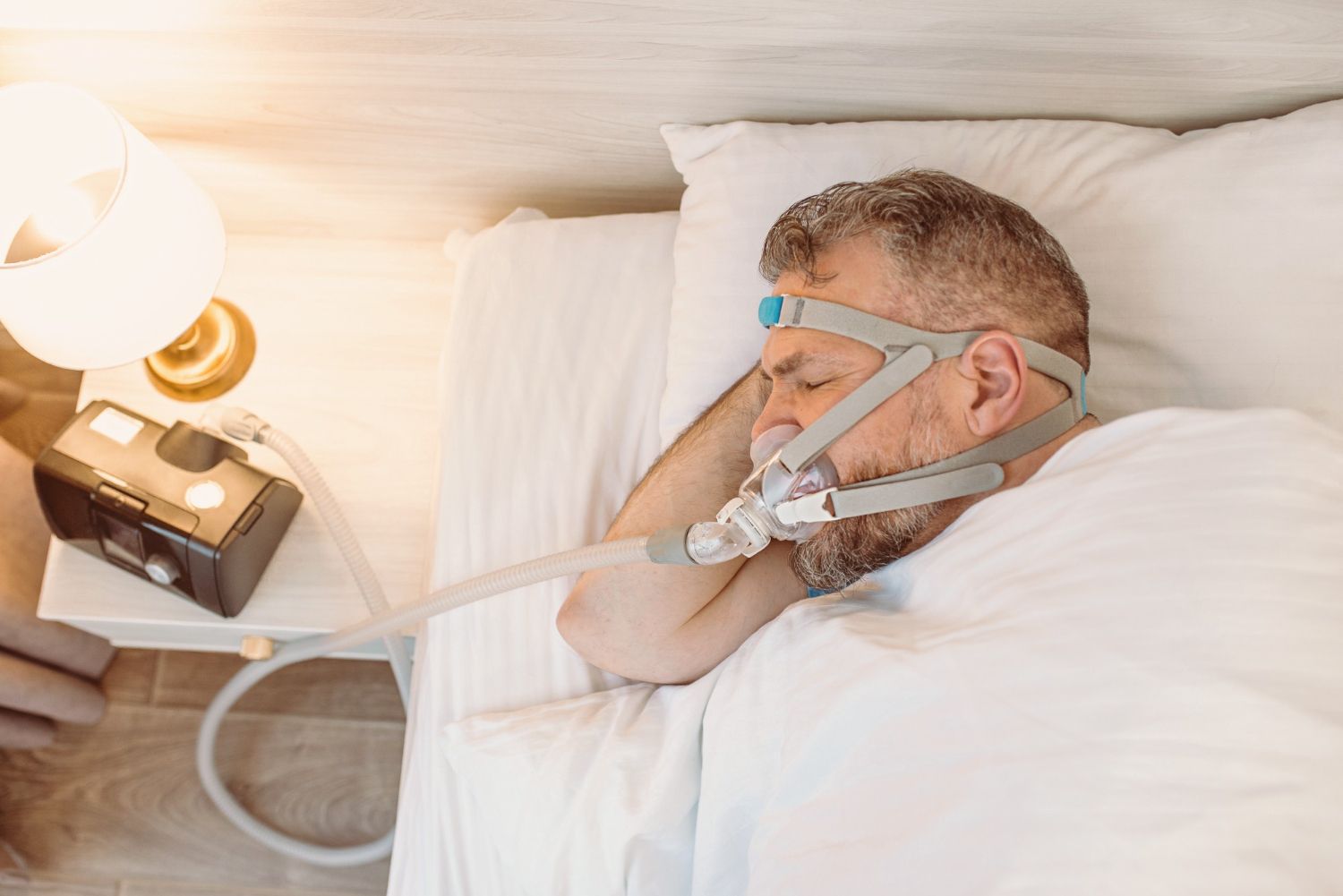
CPAP and oral appliances both aim to keep your airway open, but they do it in very different ways. CPAP uses a bedside machine that pushes air through tubing, and a mask. Oral appliances sit in your mouth and change jaw position to help your airway stay open on its own.
Here are a few common differences people notice:
- Equipment: CPAP has a machine, tube, and mask, while an oral appliance is a small device that fits in a case.
- Comfort: Some people struggle with mask leaks, skin marks, or air pressure. Oral appliances rest on the teeth and gums, so comfort feels more like wearing a retainer.
- Portability: For travel, an appliance usually fits in a pocket of a small bag.
- Noise: CPAP machines make sound while running. Oral appliances are silent.
If you already use CPAP, you might wonder if an oral appliance will work as well for you, or how long it takes to get used to one. It is normal to have questions like:
- Will my sleep doctor still be involved?
- How do we know if it is working?
- What if my jaw feels different at first?
With dental sleep medicine near Dennis, the goal is not to rush you. There is time to adjust the device, check your symptoms, and work with your sleep physician on follow-up testing if needed. Many people like having a small, quiet option, especially when cooler weather brings more stuffy noses, congestion, or dry air that can make CPAP feel harder to use. For some, a comfortable oral appliance can support better long-term use because it is simple to wear night after night.
What to Expect at a Dental Sleep Medicine Visit
Your first dental sleep medicine visit is usually a relaxed, conversation-based appointment. We want to understand what your nights and days feel like and what you have already tried. A typical first visit often includes:
- Talking about your snoring, sleep schedule, and daytime fatigue
- Reviewing your medical history and current medications
- Looking over any sleep study reports you already have
- Discussing whether an oral appliance might fit your needs and health history
If you have not had a sleep study, your care will still involve a sleep physician to confirm a diagnosis. This step matters because snoring alone is not always sleep apnea, and treatment should match the true cause.
Once you and your providers agree that an oral appliance is right for you, the next steps usually include:
- Digital scans or impressions of your teeth
- A record of how your upper and lower teeth meet, called a bite registration
- Sending this information to a lab that fabricates your custom device
When your appliance is ready, you will have a fitting visit. At that visit, your provider checks the fit, shows you how to insert and remove it, and explains how to care for it. Over the next few weeks, you may return for small adjustments. These fine-tune how far your jaw moves so you get the most benefit with the least jaw strain.
Ongoing care is an important part of treatment. Follow-up visits help:
- Check your bite and jaw comfort
- Review how you are sleeping and feeling during the day
- Look for any wear on the appliance
- Decide when to update the device in the future
At Cape Cod Sleep Solutions, the goal is steady, thoughtful progress, not quick fixes. Tracking your response over time is part of how we support your long-term health.
Common Questions About Cost, Insurance, and Comfort
Many people are surprised to learn that oral appliance therapy is usually handled through medical insurance, not dental insurance. Since the device is treating a medical condition, like obstructive sleep apnea, it is often billed that way. Pre-authorization with your medical plan is important so you know what is covered before treatment moves forward.
Comfort questions are also very common. Some things people often ask about include:
- Jaw soreness: Mild stiffness can show up in the first days or weeks. With a proper fit and guided adjustments, this usually eases as your muscles adapt.
- Salivation or dry mouth: Your mouth may make more saliva at first because the device is new. For some people, this can shift to mild dryness. Your provider can offer tips to manage this.
- Teeth or bite changes: Careful design and regular checkups help lower the chance of unwanted changes. You will learn how to check your bite in the morning so it returns to its normal position.
Practical questions come up too:
- How do I clean it? Usually with a soft brush and non-abrasive cleaner, as directed.
- Can I travel with it? Yes, it is made to be portable and fits in a small case.
- What if I spend part of the year on or off Cape Cod? Just bring the device wherever you sleep most nights and keep up with follow-up visits when you are in the area.
Many people start to notice changes in their sleep within the first weeks of regular use, such as quieter nights and waking up feeling a bit more refreshed. For others, the change is more gradual. The key is steady wear, honest feedback during follow-ups, and teamwork between you, your dental sleep provider, and your sleep physician.
Take the Next Step Toward Restful Sleep Near Dennis
Loud snoring, gasping, or choking sounds in the night, morning headaches, and dragging yourself through the day are not things you have to simply accept. They can be signs of obstructive sleep apnea, and they deserve real attention. Even small changes at night, like wearing a comfortable oral appliance, can support better sleep and steadier breathing.
Cape Cod Sleep Solutions offers dental sleep medicine near Dennis for people who want a simple, custom device instead of, or in addition to, traditional CPAP. When your airway is better supported at night, it can lead to calmer sleep, more daytime energy, and support for your long-term heart and brain health.
Sleep Better And Wake Refreshed Starting Now
If you are struggling with snoring or poor sleep, we are here to help you find real, lasting relief. At Cape Cod Sleep Solutions, our team uses proven techniques in
dental sleep medicine near Dennis to create comfortable, custom treatment plans. Schedule an appointment today so we can evaluate your symptoms, answer your questions, and guide you to better sleep. If you are ready to take the next step, please
contact us to get started.