CPAP Alternative Success Predictors Near Falmouth: Anatomy, BMI, Side-Sleeping
Find Out If a CPAP Alternative Could Work for You
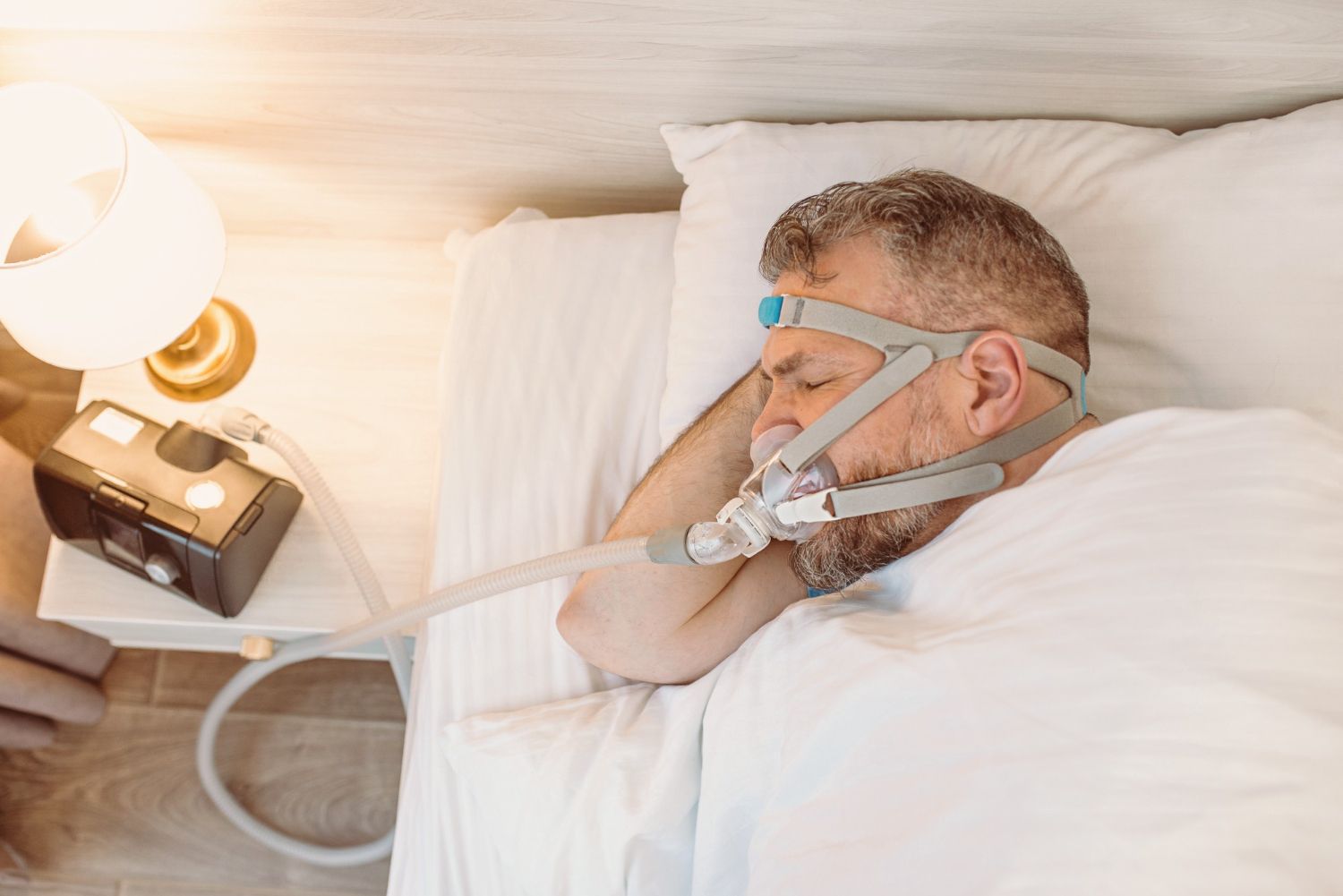
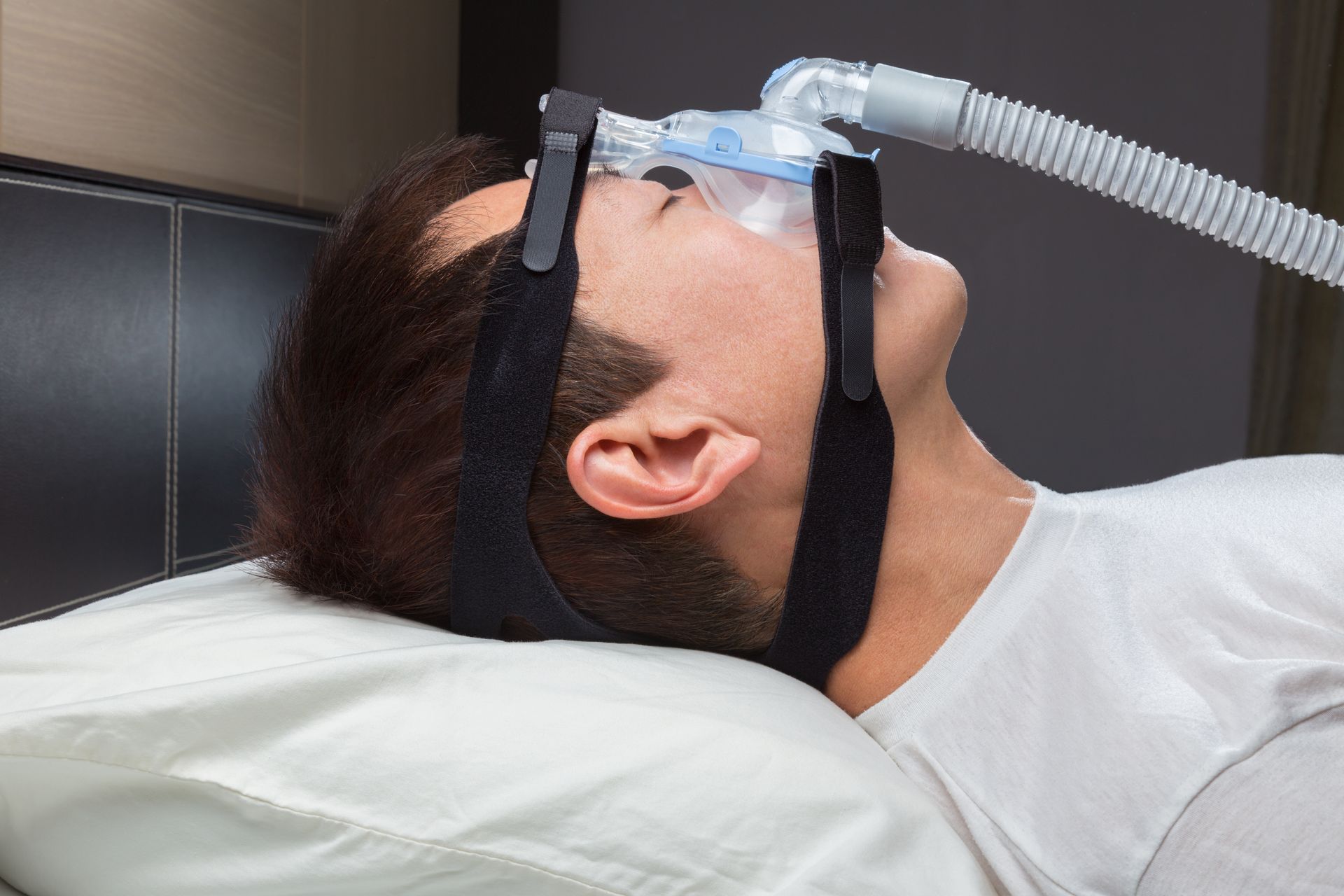
Many people near Dennis know that CPAP can help sleep apnea, but living with a mask and hose every night is a different story. As nights get cooler and colds, allergies, and dry indoor air show up, wearing a mask can feel even more stuffy, loud, and uncomfortable. It is common for people to pull the mask off after a few hours or stop using it at all.
That does not mean you are out of options. Not everyone is a good fit for every CPAP alternative near Dennis. How well a treatment works often depends on your airway anatomy, your BMI and neck size, how you sleep, and what your sleep study shows.
At dental sleep practices near Dennis, we look at all of these pieces together. With a focused airway exam and home sleep testing, we can see what is really happening when you sleep. That helps us match people with safer, more comfortable options, like custom oral appliances, that may be easier to live with long term.
Why Some People Struggle with CPAP near Dennis
CPAP works well for many, but it can be tough to use every night. Common problems include:
- Mask leaks that blow air into your eyes or out the sides
- Dry mouth or throat from constant airflow
- Sinus pressure or congestion that makes breathing feel harder
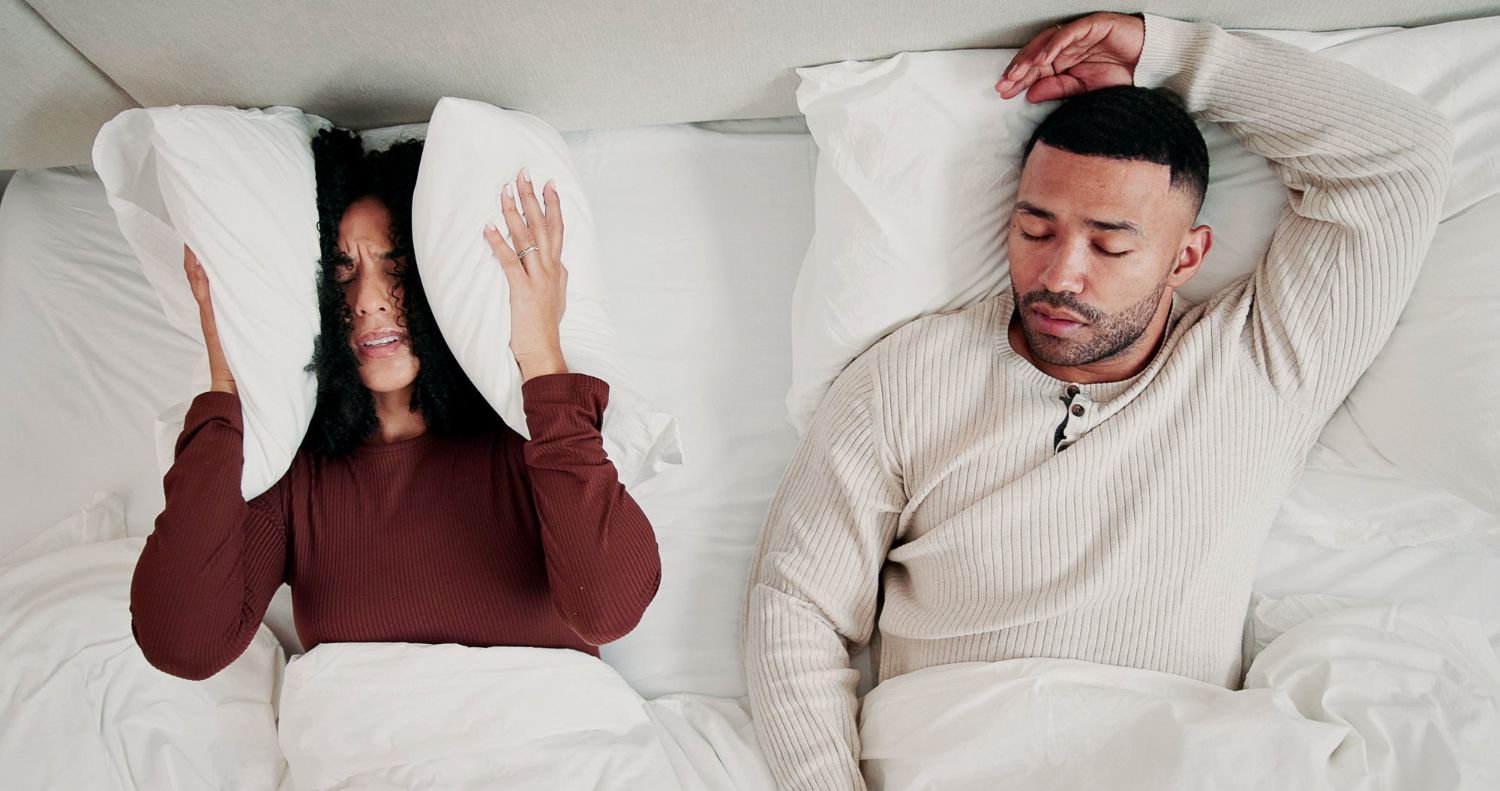
- Machine noise that bothers you or your bed partner
- Tangled hoses that get caught on blankets or pillows
- Travel hassles from packing the machine, mask, and supplies
During cooler months when windows are closed and heat is on, the sound of the machine can stand out more. Dry indoor air can make nasal and throat irritation worse. If you already feel stuffed up from a cold or allergies, wearing a mask can feel like too much.
When CPAP use drops, sleep apnea is often not treated well. That can lead to:
- Poor quality sleep and morning headaches
- Trouble focusing, low energy, or irritability
- Higher strain on the heart and blood pressure
- Loud snoring that affects the whole household
People who feel stuck between “CPAP or nothing” often look for a CPAP alternative near Dennis that is quieter, easier to travel with, and more comfortable. Treatments like oral appliance therapy, positional therapy, or a mix of options may be worth exploring with a trained provider.
How Anatomy and Airway Shape Predict Oral Appliance Success
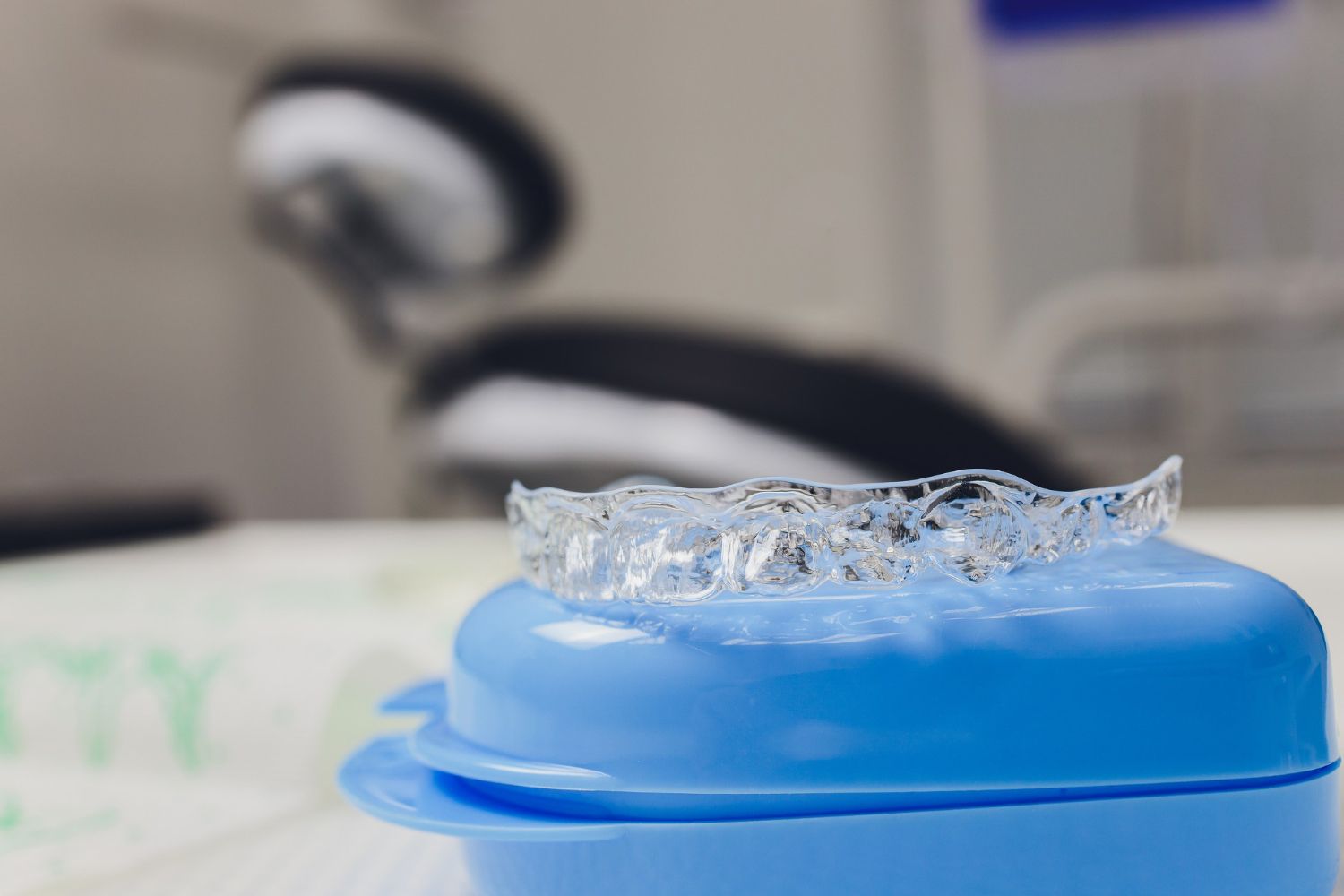
Your airway is as unique as your smile. The shape and position of your jaw, tongue, and palate can have a big impact on which CPAP alternative will work best. Oral appliances, also called mandibular advancement devices, gently move the lower jaw forward to help keep the airway more open during sleep.
During a dental sleep medicine exam, we look closely at things like:
- Bite alignment and how your upper and lower teeth meet
- Dental health and gum support for holding an appliance
- TMJ comfort and jaw joint function
- How far your lower jaw can move forward without strain
- Tongue size and where it sits when you lie back
People tend to do best with oral appliance therapy when they have:
- Mild to moderate airway blockage
- Solid, healthy teeth on both arches
- Enough jaw movement to bring the lower jaw forward
- No major TMJ pain or severe grinding that would limit wear
If someone has very large tonsils, severe jaw crowding, or very severe sleep apnea, an oral appliance alone may not be enough. In those cases, we may talk about combination care, such as an oral appliance plus positional therapy, or work with a sleep doctor to see if another option is better. The goal is not to force a single treatment, but to match the tool to your airway.
The Role of BMI, Neck Size, and Overall Health
Weight and neck size can affect how narrow the airway becomes at night. Higher BMI and larger neck circumference are often linked with more collapse of the soft tissues in the throat. That can make sleep apnea more severe and may change how well a CPAP alternative near Dennis works for you.
That does not mean people with higher BMI cannot succeed with oral appliances. Many still do well, especially when treatment is part of a wider plan that can include:
- Gradual weight management
- Gentle activity during the day, if cleared by your doctor
- Limiting alcohol, especially close to bedtime
- Reviewing medications that may increase drowsiness
We also look beyond just weight. When we build a plan, we keep in mind:
- Blood pressure and heart history
- Nasal congestion or chronic sinus issues
- Reflux symptoms, which can bother the airway
- Sleep schedule, shift work, and bedtime habits
With higher BMI or more severe apnea, we usually stress closer follow-ups and objective testing with home sleep tests. That way we can see if the oral appliance is truly working, or if we need to adjust the device or add another tool.
Why Side-Sleeping Matters for CPAP Alternatives
Some people have what is called positional sleep apnea. Their breathing is much worse when they sleep on their backs. This often happens as nights get colder and people add thicker blankets or spend more time in one position. Lying on the back lets the tongue and soft palate fall toward the throat, which can close the airway more.
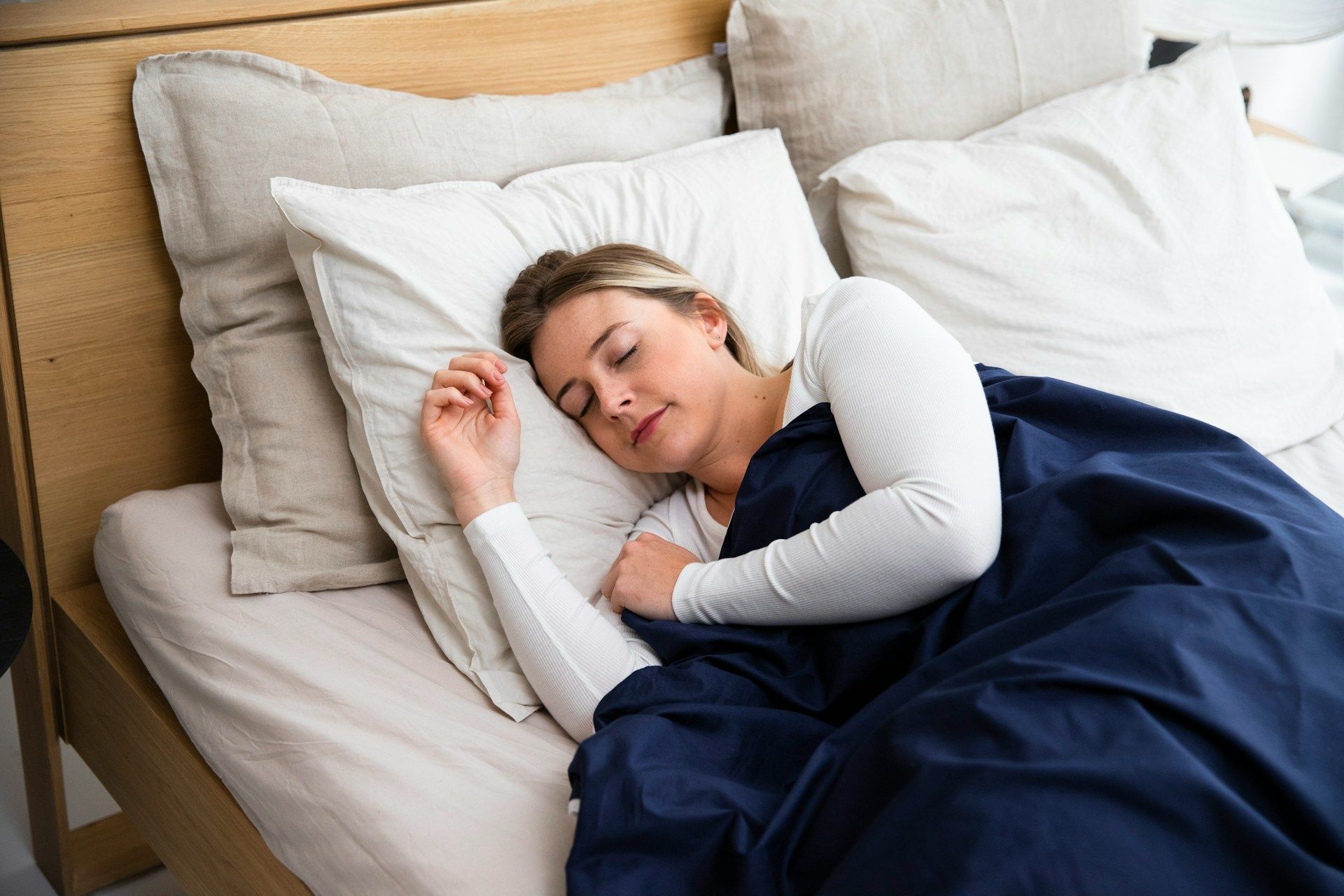
Side-sleeping can help the airway stay more open for many people. When combined with an oral appliance or another CPAP alternative near Dennis, side-sleeping may:
- Reduce snoring loudness
- Cut down on the number of breathing pauses
- Help with dry mouth and morning headaches
- Make you and your partner feel more rested
Positional therapy tools can make side-sleeping easier, such as:
- Special pillows that cradle your body on your side
- Wearable devices that gently nudge you when you roll onto your back
- Soft belts or shirts that make back-sleeping less comfortable
- Simple tricks like placing a firm cushion behind your back
These aids often work best when they are part of a broader plan that also includes oral appliance therapy, nasal care, and healthy sleep habits.
How Home Sleep Testing Guides Treatment Selection
Home sleep testing is a key tool for choosing and fine-tuning a CPAP alternative near Dennis. With a home sleep test, you wear small sensors while you sleep in your own bed. The device typically tracks:
- Breathing effort and airflow
- Oxygen levels throughout the night
- Snoring sounds and patterns
- Sleep position and how it changes
First, a baseline home sleep test shows how often your breathing drops or pauses, how low your oxygen goes, and whether your apnea is worse on your back. Working with a sleep doctor, we can use this information to see if you are a good candidate for an oral appliance or if another option might be better.
Once an oral appliance is made and adjusted, follow up home sleep testing is very important. It helps us:
- Confirm that your apnea events have improved
- Check that oxygen levels stay in a safer range
- See if side-sleeping and other steps are helping
- Decide if the appliance should be moved slightly forward or back
By pairing careful dental exams with home sleep testing, we can move away from guesswork. Instead, we use clear information about your own sleep to guide treatment and make changes as needed over time.
Take The Next Step Toward Restful, Comfortable Sleep
If CPAP has been difficult for you, we can help you explore a personalized
CPAP alternative near Dennis that fits your lifestyle. At Cape Cod Sleep Solutions, we take time to understand your symptoms, health history, and goals so we can recommend the right path forward. Schedule an appointment or ask us questions using our
contact page, and we will guide you through your next steps toward better sleep.