Hidden Sleep Apnea Symptoms Near Yarmouth: Night vs. Day Signs

Waking up Tired Near Is Not “Just Age”
Waking up tired even after a full night in bed, is not always about getting older, a busy schedule, or seasonal allergies. Many adults write off morning headaches, dragging fatigue, and frequent bathroom trips at night as “normal.” They push through the day with more coffee and less patience, then repeat it all again.
But those subtle symptoms can be early warning signs of obstructive sleep apnea, also called OSA. This sleep breathing problem often shows up as a mix of nighttime and daytime clues, like nocturia (waking to pee), mood changes, and foggy thinking. When we catch these signs early, we can help protect heart and brain health and improve daily life, especially as the days grow shorter in the fall.
In this article, we will walk through common nighttime and daytime sleep apnea symptoms, explain why they happen, and help you understand when to see a dentist who treats sleep apnea near Yarmouth and when a sleep physician or sleep lab is the better first step.
Nighttime Red Flags You May Be Ignoring
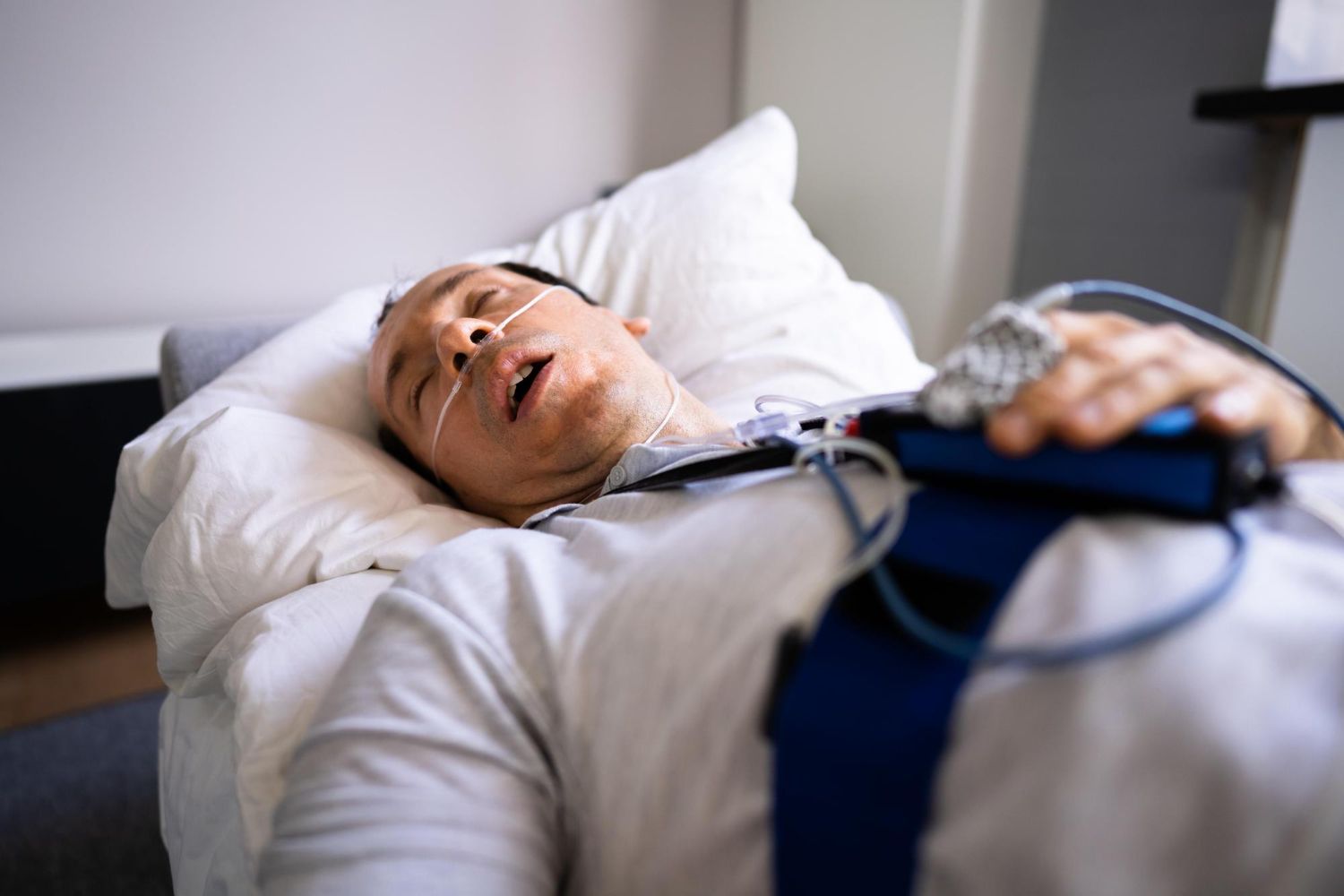
With obstructive sleep apnea, the airway partly or fully collapses many times during the night. Your body briefly wakes up to reopen the airway, then you fall back asleep, often without remembering. This repeat cycle can cause:
- Loud, frequent snoring
- Pauses in breathing that others notice
- Gasping, choking, or snorting awake
- Restless tossing and turning through the night
Many partners are the first ones to spot trouble. They may notice that breathing stops for a few seconds, then starts again with a gasp. Even if you feel “mostly fine” during the day, these nighttime events are not normal and should not be ignored.
One of the lesser-known signs is nocturia, or waking up multiple times at night to urinate. People often blame:
- A small bladder
- Prostate issues
- Drinking water too late
- Getting older
While those can play a role, sleep apnea can trigger hormone changes that make your body produce more urine at night. On cooler, quiet fall nights near Yarmouth, those extra trips to the bathroom may stand out even more.
Other nighttime clues include:
- Dry mouth or sore throat when you wake up
- Teeth grinding or clenching
- Jaw soreness, worn teeth, or bite changes a dentist might notice
These signs suggest your body is working hard to breathe and stay asleep. If a partner reports loud snoring and pauses in breathing, or you wake gasping or choking, it is time to take those symptoms seriously.
Daytime Clues From Morning Headaches to Mood Changes
Sleep apnea does not only affect the hours you are in bed. When your sleep is broken and oxygen dips again and again, your brain and body feel it all day long.
Common daytime signs include:
- Morning headaches that ease later in the day
- Brain fog or feeling “in a haze”
- Memory slips, like losing your train of thought
- Trouble focusing at work or while driving
These problems can sneak up slowly, so many people blame stress, busy school-year schedules, or shorter daylight in the fall. But when they show up along with nighttime snoring or gasping, sleep apnea becomes more likely.
Mood changes are another big clue. You might notice:
- Feeling more irritable or short-fused
- Less patience with family or coworkers
- More anxiety than usual
- Symptoms that feel like depression, such as low energy or loss of interest
Your body needs steady, deep sleep to regulate mood and stress hormones. Without it, everything feels harder.
Physical daytime signs may also show up, such as:
- Sore or tight jaw muscles from nighttime clenching
- Neck and shoulder tension
- Needing multiple cups of coffee just to keep going
One symptom by itself does not prove anything. But when you connect:
- Nighttime signs like snoring, gasping, or nocturia
- Daytime signs like headaches, mood changes, and brain fog
then it is smart to think about sleep apnea treatment near Yarmouth or nearby and talk with a professional.
When to Call a Dentist for Sleep Apnea
Dentists who focus on dental sleep medicine play a special role in helping people with snoring and obstructive sleep apnea. We are trained to look at:
- Jaw position
- The size and shape of your airway
- Tongue and soft tissue space
- Teeth grinding and bite patterns
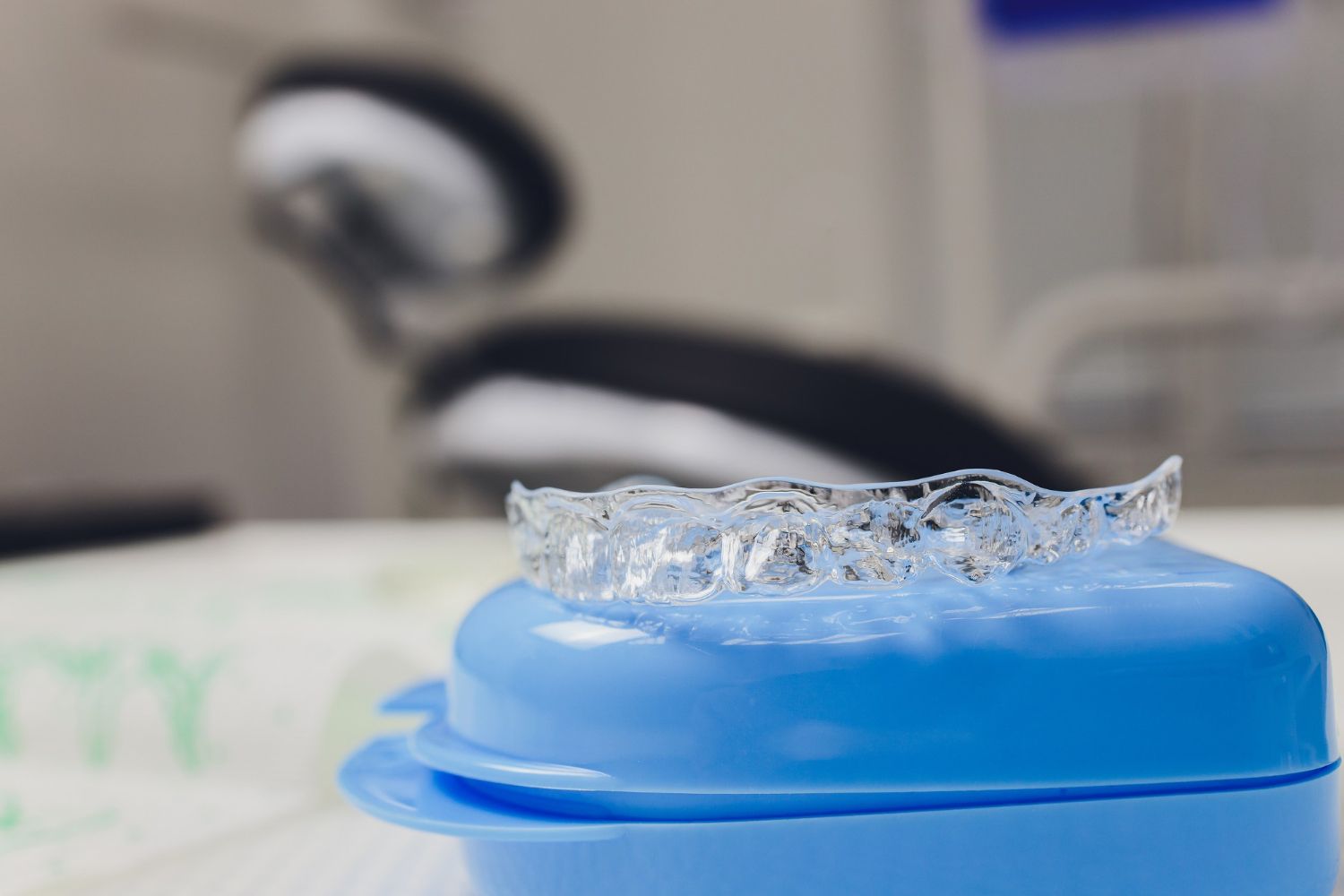
Based on these findings, we can provide oral appliance therapy for snoring and for many people with mild to moderate OSA. An oral appliance is a custom mouthpiece that gently shifts the lower jaw and tongue to help keep the airway more open during sleep.
Starting with a dentist near Yarmouth often makes sense if you:
- Have loud snoring that is bothering you or your partner
- Have already been diagnosed with mild or moderate sleep apnea
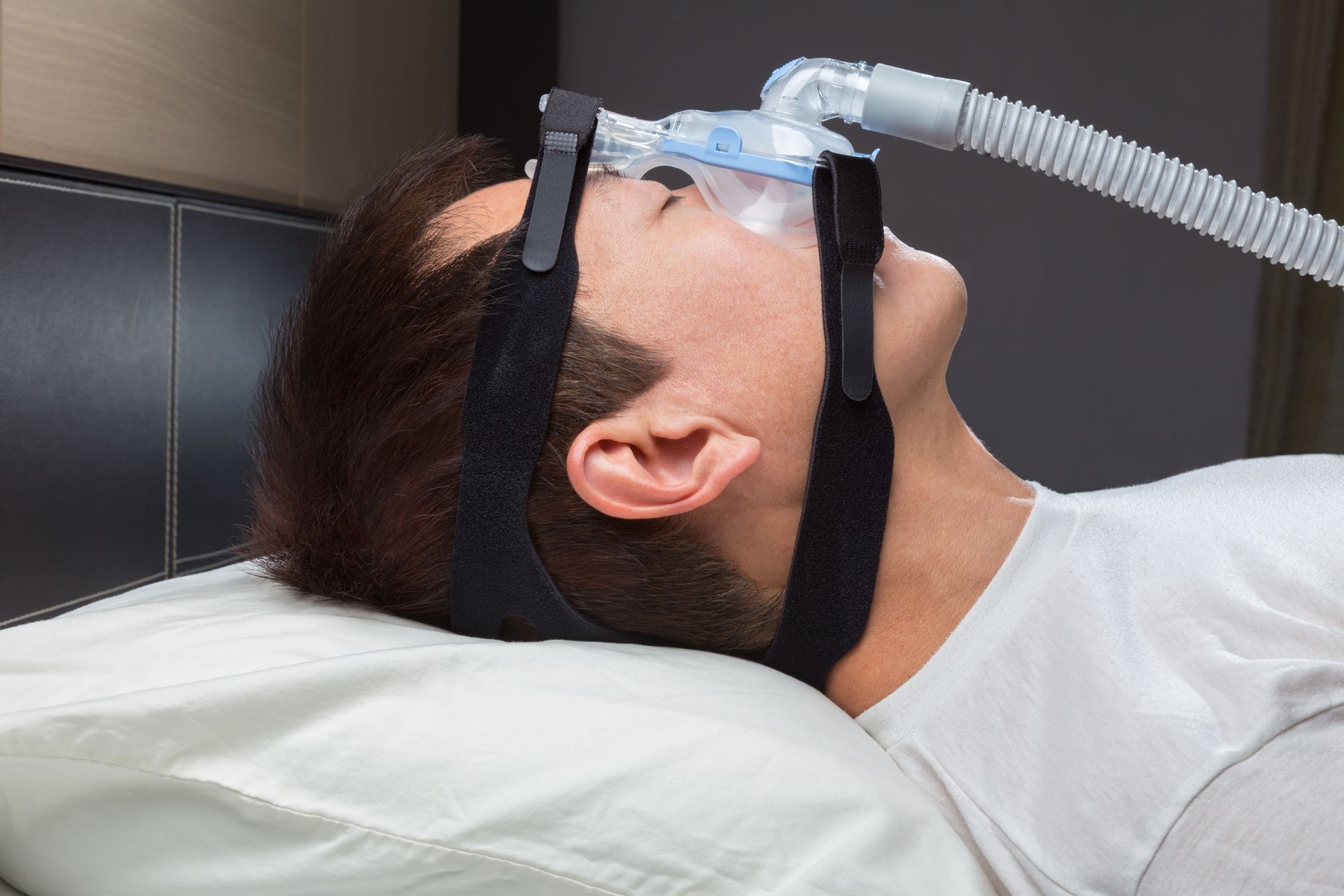
- Cannot tolerate CPAP or find it hard to travel with
- Want a small, portable treatment option you can use at home and away
At a visit to Cape Cod Sleep Solutions, you can expect a conversation about your medical and sleep history, a review of your symptoms, and screening tools that help us judge your risk for sleep apnea. We also examine your airway, jaw joints, bite, and oral tissues to see if an appliance may be a good match.
It is important to know that a dentist cannot diagnose sleep apnea. A formal diagnosis must come from a sleep study interpreted by a sleep physician. What we can do is:
- Coordinate with your sleep physician if you already have one
- Help you explore whether a home sleep test is appropriate through your medical team
- Provide and monitor an oral appliance once sleep apnea is diagnosed
- Adjust the device over time to help you get better sleep and comfort
When a Sleep Physician or Sleep Lab Is Important
Sleep physicians are medical doctors who specialize in sleep problems. They are the ones who diagnose sleep apnea and other sleep disorders using sleep studies, either at home or in a sleep lab. Their role is to:
- Confirm whether sleep apnea is present
- Measure how severe it is
- Check for other issues, such as restless legs or narcolepsy
- Guide medical treatment, especially in complex cases
You should consider a sleep physician as your first call if you have:
- Very loud snoring plus choking or gasping
- Suspected severe sleep apnea
- Known heart disease or atrial fibrillation
- A history of stroke or uncontrolled high blood pressure
- Extreme daytime sleepiness, like struggling to stay awake while driving
Sleep physicians may recommend:
- CPAP or BiPAP
- Positional therapy to help you sleep in safer positions
- Weight management plans
- Surgery or other medical treatments
Later, if CPAP is not tolerated or you want another option, the sleep physician may team up with a dentist who provides oral appliance therapy. This kind of coordinated care often gives the best long-term results.
Whether you start with a dentist near Yarmouth who focuses on sleep apnea or with a sleep physician, the key is not to wait. Hidden symptoms rarely improve on their own. When both dental and medical providers work together, patients usually have more choices and better support.
Take the First Step Toward Better Sleep Near Yarmouth
If you recognize yourself in these nighttime signs like snoring, nocturia, gasping, teeth grinding, and daytime signs like morning headaches, low mood, or foggy thinking, it is time to take them seriously. You do not have to wait for New Year’s resolutions, a health scare, or a partner’s last straw to look for answers.
As routines settle in during the fall around Cape Cod, it can be a good time to focus on your sleep and health. Better treated sleep apnea can support safer driving, steadier mood through busy seasons, stronger heart health, and more energy for work, family, and all the things you enjoy near Yarmouth. If you suspect sleep apnea, talking with a sleep-focused dentist, a sleep physician, or both can be an important first step toward sleeping and feeling better.
Take The First Step Toward Restful, Restorative Sleep
If you are struggling with snoring, daytime fatigue, or restless nights, our team at Cape Cod Sleep Solutions is ready to help you explore effective options for
sleep apnea treatment near Yarmouth. We will carefully evaluate your symptoms, explain your choices in clear terms, and create a treatment plan tailored to your needs. To schedule a visit or ask questions about your next steps, please
contact us today.