Beach-Season Triggers That Worsen Snoring in Falmouth (and How to Adjust)
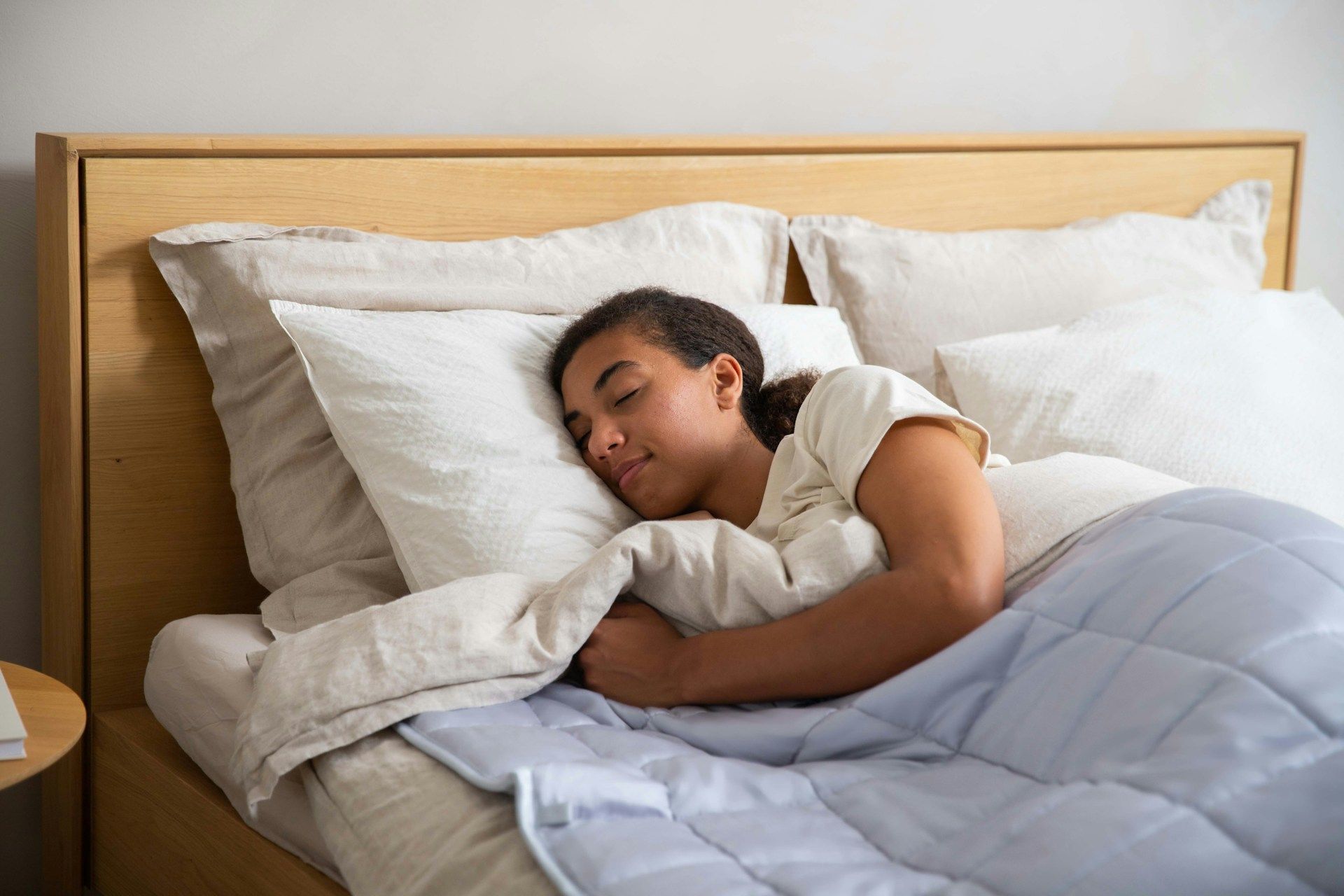
Summer Nights, Loud Snoring, and Hidden Beach Risks
Snoring often gets louder in the summer, especially near the beach. Longer days, more sun, salty air, and relaxed evenings can all work against quiet sleep. If snoring seems to spike after a long day near the shoreline of Falmouth, it is not your imagination.
Sunburn, dehydration, and evening alcohol all affect the tissues in your nose, mouth, and throat. They can narrow your airway, dry things out, and make those soft tissues vibrate more as you breathe. With a few smart changes, plus the right professional snoring treatment near Yarmouth when needed, summer nights can be calmer for everyone in the bedroom.
How Sunburn and Heat Exhaustion Sabotage Summer Sleep
A bad sunburn does more than make your skin sting. Sunburn is an inflammatory response. When your body is inflamed, tissues can swell a bit, including those in the nose and throat. That small change can be enough to make snoring louder or more frequent.
Too much sun and heat can also leave you feeling wiped out but oddly restless. Heat exhaustion can lead to:
- Lighter, broken sleep
- More tossing and turning
- More episodes of partial airway blockage
When you are overheated, your body works harder to cool itself. Your breathing pattern can change, and the muscles that keep the airway open may not work as well. That can mean more snoring or even brief pauses in breathing in people who are already at risk.
To protect both your skin and your sleep:
- Use broad-spectrum sunscreen and reapply during long beach days
- Wear hats, shirts, and cover-ups during peak sun hours
- Take breaks in the shade to avoid overheating
- Keep the bedroom cool with a fan or AC and breathable bedding
- Use gentle after-sun care so your body can relax at night
These simple steps lower overall inflammation and help your airway stay more open while you sleep.
Dehydration, Swollen Tissues, and Noisy Airways
Even mild dehydration can make snoring worse. When you are short on fluids, the mucus that lines your nose and throat can become thicker and stickier. The soft tissues can dry out and become more irritated. Dry, sticky tissues are more likely to clap together and vibrate loudly as air moves past.
Around Dennis, it is easy to get dehydrated without noticing. Common triggers include:
- Long hours at local spots
- Salty sea air and wind drying your skin and mouth
- Sweating during beach games, walks, or bike rides
- Sipping iced coffee or alcohol but forgetting plain water
To keep your airway happier at night, try a few simple habits:
- Drink water before heading to the beach and again when you leave
- Keep a refillable water bottle with you during outdoor plans
- Balance coffee, tea, and alcoholic drinks with extra water
- Add water-rich snacks like fruit between salty or fried foods
- Use a bedside humidifier if your bedroom air feels dry
When your body is well hydrated, the tissues in your nose and throat can move more smoothly, which often leads to quieter breathing.
Evening Alcohol, Cookouts, and Holiday Weekends
Alcohol is one of the biggest lifestyle triggers for snoring. It relaxes the muscles of the tongue and throat so they sag back more when you lie down. That relaxed tissue can narrow the airway and collapse more easily, which leads to heavier snoring and can trigger more frequent breathing pauses in people with sleep apnea.
Summer routines near the beach often include:
- Sunset cocktails on the deck or at the harbor
- Big cookout meals later in the evening
- Holiday weekends with extra drinks and late nights
When you combine alcohol with a large meal and then lie on your back, you get a perfect setup for loud snoring. The stomach is full, reflux is more likely, and the airway muscles are very relaxed.
You do not have to skip social events to protect your sleep. Instead, try some realistic adjustments:
- Set a personal “last drink” time a few hours before bed
- Choose lighter options and sip slowly instead of multiple strong drinks
- Avoid very heavy or spicy meals late at night
- Raise the head of the bed slightly, or use a thicker pillow
- Aim for side-sleeping instead of flat on your back
Even small changes to your evening habits can make a clear difference in how much you snore later that night.
When Seasonal Snoring Signals a Bigger Sleep Problem
Sometimes snoring that worsens in summer is not just from beach habits. It can be an early sign of an underlying sleep breathing problem like obstructive sleep apnea. This is especially true if snoring is paired with other warning signs.
Red flags to watch for include:
- Gasping, choking, or snorting sounds during sleep
- Long or repeated pauses in breathing that a bed partner notices
- Morning headaches or dry mouth
- Feeling foggy, irritable, or unrefreshed during the day
- Needing naps or extra caffeine just to function
People near Yarmouth may be at higher risk in warmer months if they already deal with allergies, nasal congestion, weight gain, or a past history of sleep apnea. Seasonal irritants and extra inflammation can push a borderline airway into more serious trouble.
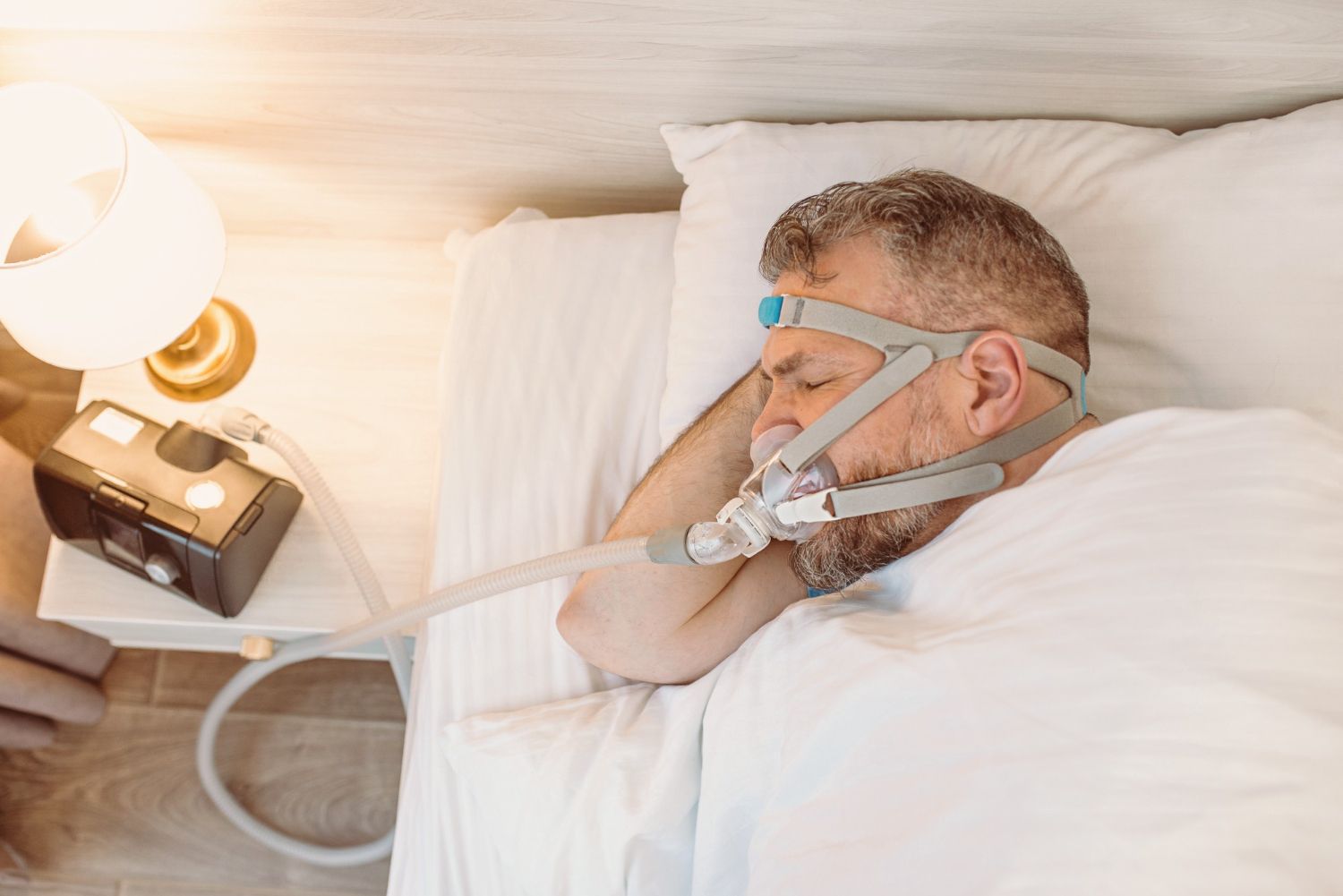
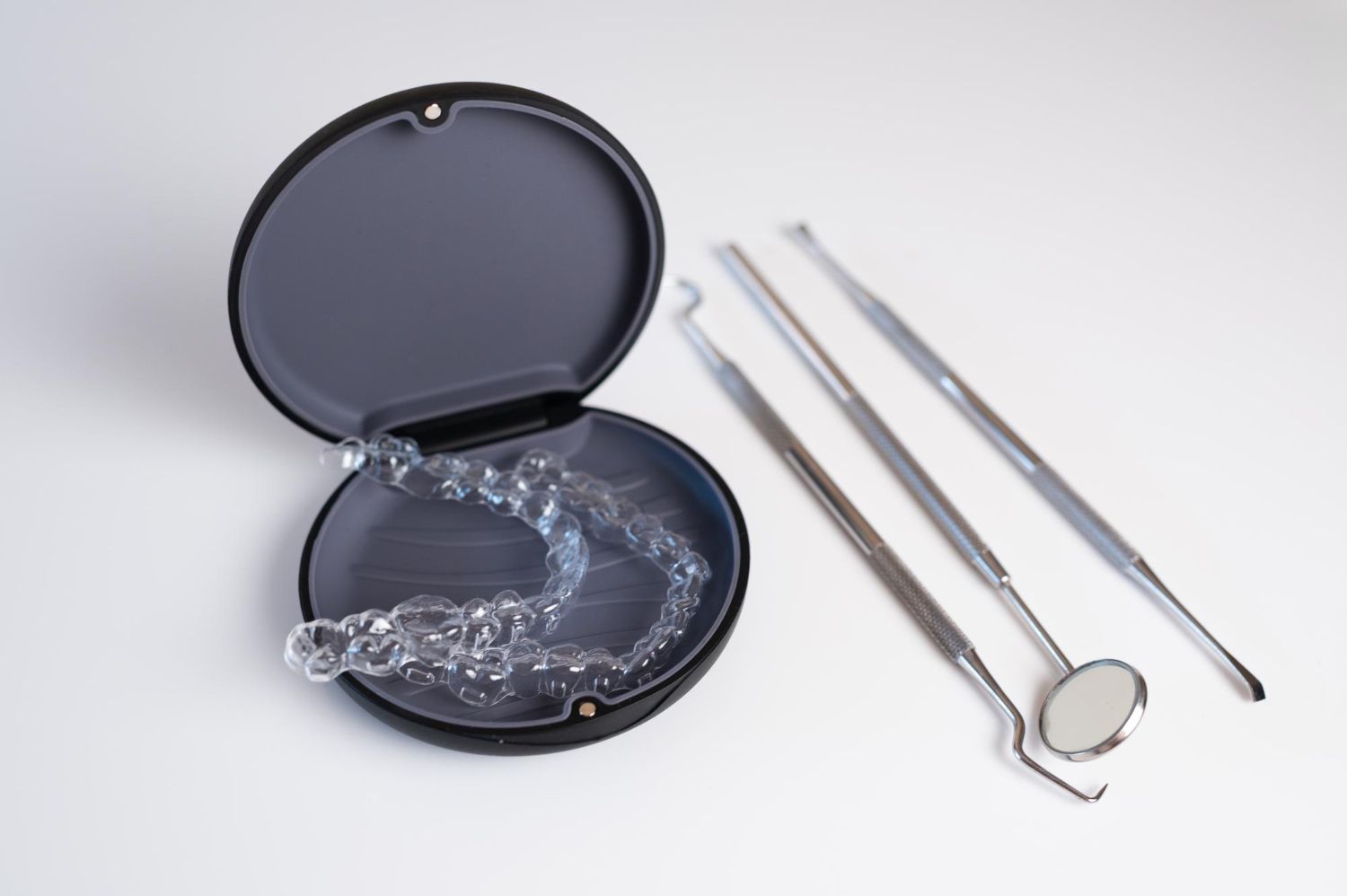
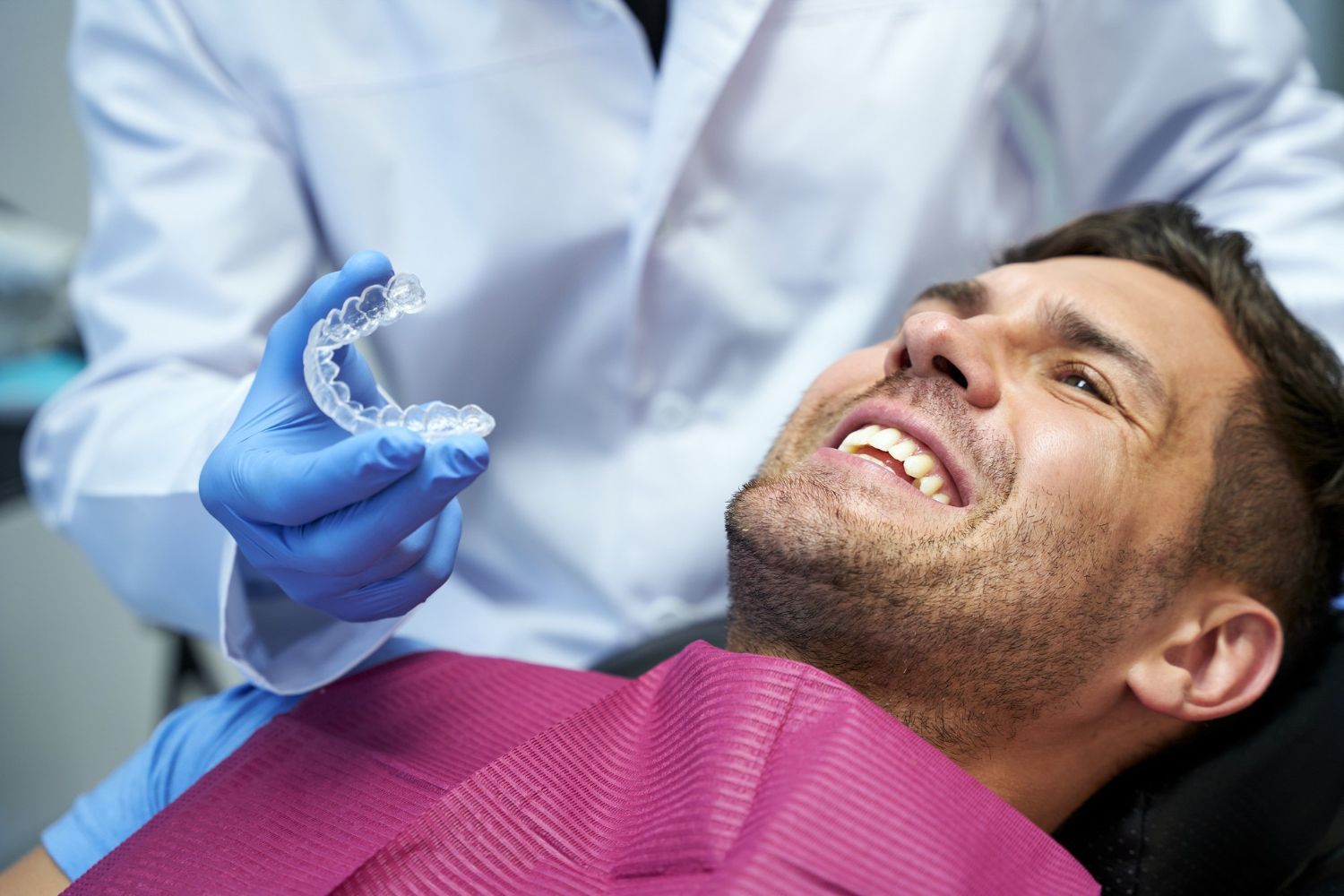
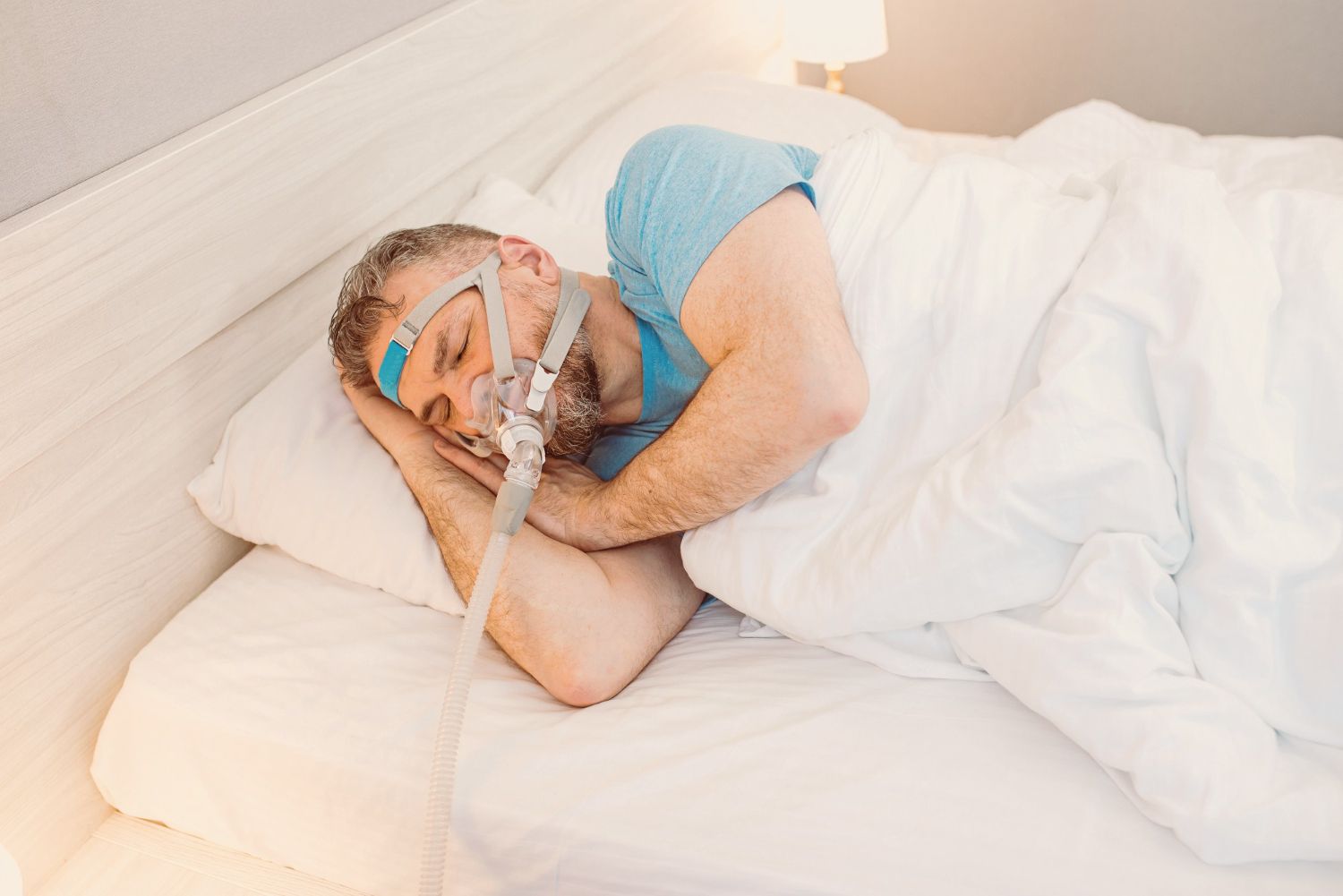
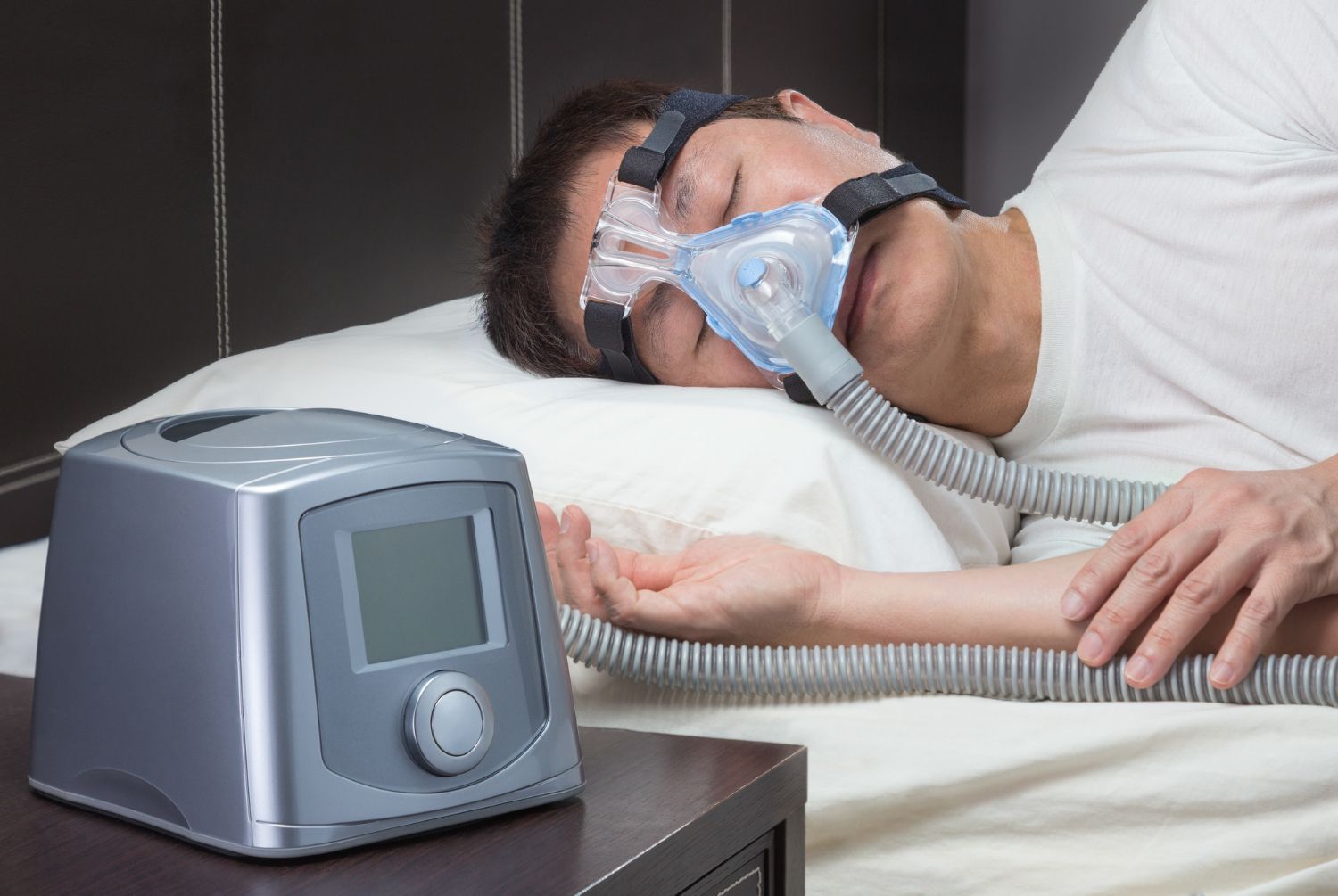
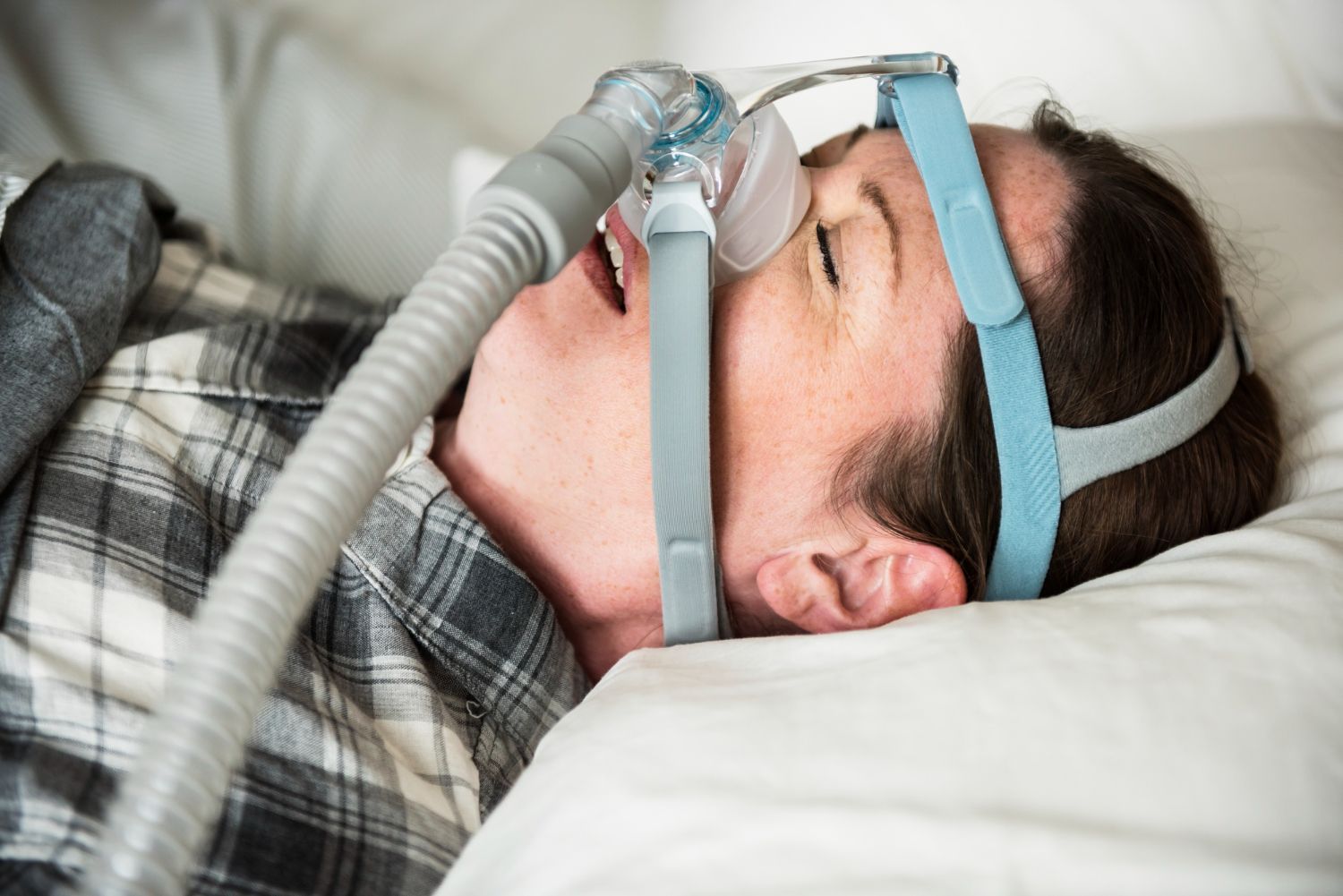
A board-certified sleep-apnea dentist can help sort out what is going on. They can coordinate sleep testing when needed, review your symptoms, and discuss treatment options. For many people, a custom oral appliance can be an effective non CPAP way to support the jaw and tongue so the airway stays more open, night after night.
Smart Summer Habits to Protect Your Airway All Season
Quiet, refreshing sleep and fun beach days can go together. The key is paying attention to the small choices that build up across a season. Helpful adjustments include:
- Consistent sun protection to limit inflammation from burns
- Smart hydration before, during, and after time outside
- Earlier and lighter alcohol use, especially on big social nights
- Cooling your sleep space with fans, AC, or breathable bedding
- Favoring side-sleeping to keep the airway more open
It can also help to pay attention to patterns. Notice when snoring is worst. Is it louder after long days in strong sun, after cookouts, or over holiday weekends? Jotting down these notes can give a sleep professional valuable clues about your triggers.
If snoring is disrupting your summer, or you see signs of possible sleep apnea, help is available. At Cape Cod Sleep Solutions, we focus on snoring treatment near Falmouth and across Cape Cod, with custom oral appliances and coordinated care that fit real-life routines. With the right support, you can enjoy beach season and still wake up rested, clear-headed, and a lot quieter.
Take the First Step Toward Restful, Quiet Sleep
If snoring is affecting your nights or your partner’s rest, we invite you to explore how our customized
snoring treatment in Falmouth can help. At Cape Cod Sleep Solutions, we take time to understand your symptoms and tailor solutions that fit comfortably into your life. Reach out today to schedule a consultation or ask questions about your options, or use our online form to
contact us and get started.